Author: brent

  • Recipe URL Structure

    Recipe URL Structure

    Fixing your Recipe URL Structure with these Tips

    It’s a fact that many food or content websites have very poorly constructed Recipe URL structures. Our recipe search engineers typically see the following formats as not only the most popular, but also the the most hard to recognize;

    1. Date as the Primary Key
      www.sitename.com/2012/6/13/chocolate-chip-cookies
    2. Just the Recipe Name
      www.sitename.com/recipe-name or www.sitename.com/recipe-name.html

    So what’s the best format for a Recipe URL Structure ?

    If you’re looking for the ultimate URL structure then is what you should create ;
    www.sitename.com/recipes/123456/recipe-name

    Why ? As you can see there is a folder called “recipes” which logically says anything under this url should only consist of a page of recipes. Also it offers the ability to have a centralized recipe page at www.sitename.com/recipes. The id is the primary key (or id in the database) which is easily indexable. As is the name of the recipe in full in the URL helps from a search perspective.

    Don’t forget that when you change from one URL structure to the next, you’ll have to put into place a series of 301 Redirects so as they pages does not lose its ranking in search engines.

    Finally and adhering to best-practice, you should publish a sitemap.xml file with the list of recipe URLs. This will allow search engines like RecipeBridge (and many others) to easily identify recipe content and save them into the index. See – Recipe SiteMaps

    For more information about Publishing Recipes Online, then please download our Recipe Publishing Online White Paper which is a comprehensive guide with lots of handy hints including Recipe URL Structure.
  • Oyster Recipe Ideas

    Oyster Recipe Ideas

    Nothing better than a dozen Oysters fresh from the ocean

    Right around the world, oysters are often considered a delicacy. To many, they are known to be an aphrodisiac.

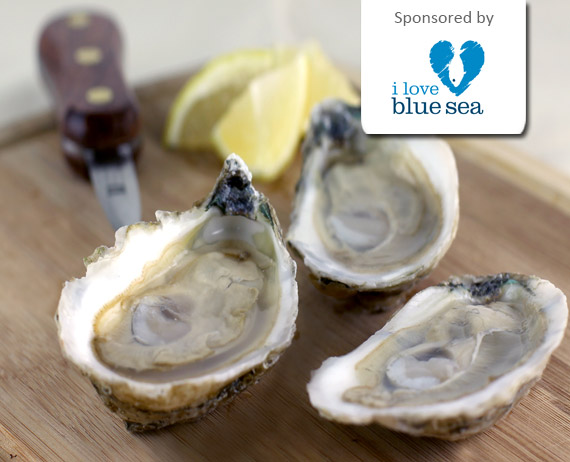
    Most people enjoy oysters natural, ie freshly shucked with remnants of the ocean within and served with an edge of lemon. However oysters are such a versatile ingredient which can be eaten raw, smoked, boiled, baked, fried, roasted, stewed, canned, pickled, steamed, broiled or featured in a range of cocktails.

    In recent times, raw bars have popped up offering a wide selection of oyster varieties, but there’s nothing better than serving fresh oysters at home with your friends and family. So we’d thought we’d share some common and uncommon recipes using Oysters.

    Oyster Recipe Ideas

    Raw Oysters served with a wedge of Lemon
    Simple, fresh and easy.

    Rockefeller Oysters
    Originating in New Orleans this cooked oyster recipe is packed with flavour

    Broiled Oysters
    Lightly broiled with a little garlic, parsley and butter.

    Oyster Soup
    Usually served creamy, don’t forget to keep a few whole oysters as garnish. Great for winter.

    Tempura Oysters
    Lightly fried in tempura batter – serve in the shell for great presentation.

    Oyster & Bloody Mary Shooters
    Freshly shucked oysters paired with the cocktail classic, served in shot glasses.

    Oyster Stew
    Classically prepared with fresh mushrooms, in a cream base this oyster dish is a rich. Serve with fresh bread.

    Carpetbag Steak
    Classic Surf & Turf – try oysters stuffed into a fillet of steak and grill to perfection.

    Oysters Kilpatrick Recipes
    The Kilpatrick is a classic oyster dish featuring bacon, garlic and worcestershire sauce.

    Tea Smoked Oysters
    Lightly smoked in the shell with tea leaves for a couple of minutes on low heat

    i love blue sea – Honest seafood direct from the source

    Kumamoto, Kusshi, Blue Point and several other oysters all ship direct from the dock to you the day of harvest for a product that couldn’t be more fresh. And since i love blue sea sell only healthy and sustainable seafood, it couldn’t be better for you or our oceans either. i love blue sea guarantee these are the best oysters you will ever try.

    Order fresh oysters online from www.ilovebluesea.com

  • Recipe Sitemap

    Recipe Sitemap

    Do you have a Recipe Sitemap in XML for your site?

    XML sitemaps have been thoroughly useful for major search engines like Google and Bing to help identify all the pages on a website to index. These days all webmaster portals require at least one sitemap.xml per website.

    One of the hardest tasks our recipe search engineers find is isolating food content away from recipe content. From a human perspective it’s easy to determine what a recipe is and what isn’t. But from a machine perspective and when there isn’t a set standard in place (like hrecipe or Recipe Schema) we need a little help know what’s a recipe.

    Creating a Recipe Sitemap

    To make it easy for our search engine engineers (and all other Search Engines) and recipe crawler to index your content we need a starting point. What we need is a XML file that only includes all the Recipe URLs on your site – we call it a Recipe Sitemap. You can either build this using an XML Tool or have your web design create a simple XML file. Many Content Management Systems like WordPress have XML plugins that can be customised.

    When you have created the Recipe Sitemap, save this on your servers root directory or sitemap folder as such;

    www.sitename.com/recipes.xml or
    www.sitename.com/sitemaps/recipes.xml  

    Ideally the best solution is to have your website automatically add new recipes to the recipes.xml file as soon as you publish a new recipe. This will ensure that your website is constantly updated in our index.

    Indexing and Crawling your Recipe Sitemap

    To have your site indexed by RecipeBridge, simply visit Submit your Recipe Website

    For more information about Publishing Recipes Online, then please download our Recipe Publishing Online White Paper which is a comprehensive guide with lots of handy hints.

  • Tilapia Cooked 6 Ways

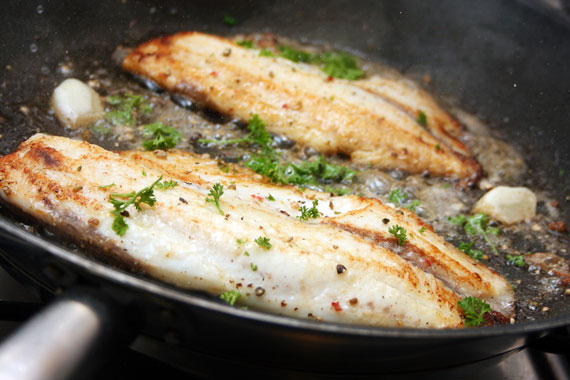
    Tilapia Cooking

    Tilapia the great tasting and versatile fish

    Tilapia is a great eating fish, with is its firm texture and mild seafood flavour makes it ideal for a variety of cooking methods. Try cooking pan-fried, broiled, baked, or braised, tilapia readily absorbs the robust flavor of spicy marinades, creamy sauces, and subtle seasonings.

    Not many people know that Tilapia go by many names, infact its more of a common name for a few hundred species. Tilapia inhabit a variety of fresh water habitats and in recent times farmed through aquaculture.

    On RecipeBridge we’ve got lots of Tilapia Recipes. However like we’ve said, Tilapia is such a versatile fish we thought we’d show you different ways to cook this well-known fresh water fish.

    Ways to Cook Tilapia

    What are other cooking methods can you recommend for Tilapia ?