Blog

  • Growing Local Foods

    Home gardening

    Growing your own foods is rewarding and delicious

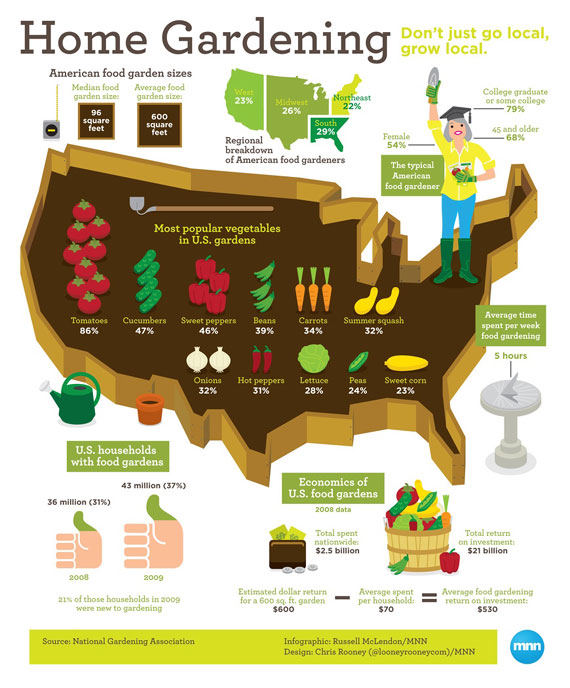
    We came across this interesting infograph about home gardening, showing most popular vegetables and foods grown in home vegetable patches. Growing your own veggies and fruits at home brings us even closer to our food experiences. Grown organically they provide fresh flavors and taste to our every day meals. There is an estimated 40% US homes with food garden or even small vegetable patches.

    Some of the most popular foods grown in home gardens include tomatoes, peppers, cucumbers, squashes and herbs. Often towards the end of harvest season in the fall, many food contests create interest in local communities including the largest pumpkins, zucchini races, salsa competitions etc.

    Use your home grown foods to host a farm-to-table dinner

    Popular home grown foods and veggies are versatile enough to create many recipes using these fresh ingredients. You’ll see the difference in the quality and taste of these foods. So why not get together with some friends in the long summer evenings to create some fresh delicious recipes from your vegetable patch.

    Click on the links below to find recipes to enjoy fresh ingredients from your home garden:

    Find these foods and more on Recipebridge.

  • 5 Comforting Polenta Recipes

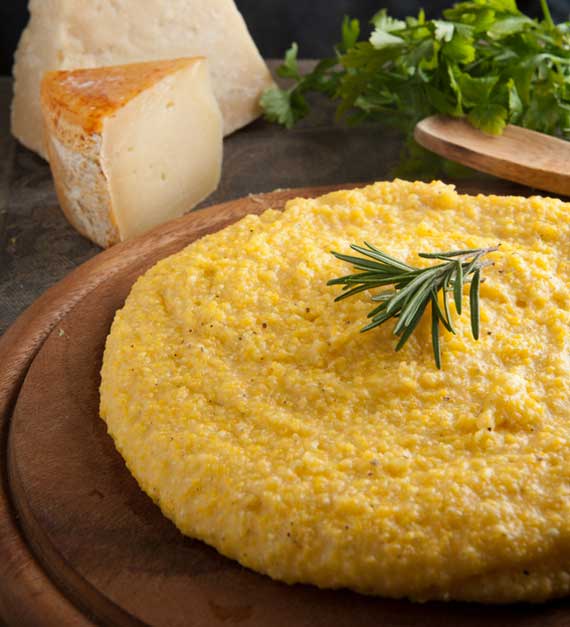
    Polenta

    Polenta is often called the Italian comfort food

    A ground cornmeal, polenta is a popular substance similar to porridge which is used in many dishes today. Generally used in European (particularly Italian) cuisine, polenta is a ground substance which when added with water makes a very popular addition to many meals across Europe.

    Polenta can be traced back to use in the Roman times where it was a basic staple food even for the richer people. The poor at this time also liked the simple flavors of the polenta. The polenta for many centuries was a dish eaten mainly by the poor in Ancient Rome as it was an easy and cheap grain to come by. When the maize crop was introduced to Northern Italy in the 15th and 16th centuries, polenta’s taste and style changed but was still just as popular as before.

    Nowadays, it is a comfort food in Italy and is often still made in very traditional ways in kitchens across the country! Either served in soft form, or poured out and allowed to set, it can also be served as a cake. It is famous for its versatility and can be served with practically everything. Often found on the side of meat dishes or with other ingredients to make it more exciting, polenta has been staple food in Italy for so long that it is practically as popular as pasta!

    Polenta is often used as a topping base, and is famous for its uses elsewhere in the world such as Romania, Switzerland, Slovenia and Mexico. Polenta has a great dough like texture which makes it a great filler in any meal.

    Make your own polenta

    You’ll need:

    • 9 cups water
    • 3 cups cornmeal
    • Pinch of salt
    1. Heat the water in a saucepan and bring to the boil.
    2. Lower the temperature to a medium-high heat and add the salt.
    3. Carefully and gradually, add the cornmeal to the water.
    4. Stir for 30 minutes.
    5. Remove from the heat when the mixture is thick and doesn’t stick to the sides of the pan.
    6. Allow the polenta to cool before serving.

    Polenta is so easy to make – however, the stirring of the mixture can get a little tiring so you might want to get someone else to help you take turns with that part. Always make sure you stir with a wooden or at the very least, a well insulated utensil so that you don’t burn your hand!

    Here’s our pick of delicious polenta dishes to try:

    1. Baked Polenta Recipes
    2. Eggs over Polenta Recipes
    3. Polenta with Sausage Recipes
    4. Creamy Polenta Recipes
    5. Polenta Casserole Recipes
    Find these and more polenta recipes on Recipebridge.


  • STICKY BUN RECIPE

    Jay Lee Inn in Elkhart Lake share their super easy sticky bun recipe, with goeey pudding that they make daily for breakfast.

    Find more recipes for sticky bun on Recipebridge.

  • The Art of Making Kimchi

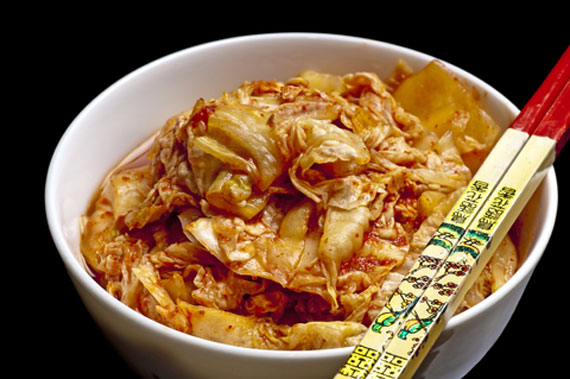
    Kimchi

    Spiced and pickled kimchi

    The national dish of Korea, kimchi is basically spiced, pickled and fermented cabbage although the recipe and ingredients can vary from region to region in Korea. The main ingredients of the dish however are cabbage, cucumber, radish and scallion.

    Fermented vegetables used to make kimchi came about in the 7th century when kimchi was fermented as a way to store vegetables. By the 12th century, kimchi was developed into a tastier dish where spices and herbs were added to enhance the flavours. Then finally in the 18th century hot red peppers were added to kimchi to give it its spicy and distinctive taste still used today.

    In modern times, kimchi has been introduced more widely into the world by Korean immigrants who have shared this dish with other cultures where it has become a popular side dish. It has even become a more commercial dish in recent years and it can be found in supermarkets usually in Western countries where there are larger populations of Korean immigrants.

    Kimchi Health Benefits

    • Practically eaten at every meal, Koreans have given the world a fantastically healthy dish to have either on its own or as a side dish.
    • A great source of vitamin C, kimchi can help reduce cholesterol levels and slow the effects of aging!
    • It has a low calorie content and is very low in sugar and fat which makes it a great dish to eat if you are aiming to lose weight.
    • The fermentation process the kimchi goes through means that probiotic (“good”) bacteria is produced which helps the digestive system.
    • Kimchi is packed full of vitamin A which is great for healthy, skin, teeth, and also helps improve vision!

    Easy Kimchi Recipe

    Ingredients:

    • 2 large Chinese Cabbages
    • 230g rock salt
    • Water

    Kimchi Sauce:

    • 10 tbsp of fish sauce
    • 10 tbsp of red pepper powder
    • 1 onion
    • 4 or 5 cloves of garlic
    • 1 oriental pear
    • 1 tablespoon of salt
    • 1/2 tablespoon of sugar
    • Small piece of ginger
    • 4 spring onions
    1. Cut the cabbage into chunks and soak in water with 180g salt. Leave to soak for up to 5 hours.
    2. Mix the sauce ingredients in a blender except the spring onions. These can be chopped into chunks and added to the sauce after it is properly blended.
    3. Drain the cabbage and add the kimchi sauce, mix it by hand then add salt to taste. It should have a fairly salty flavour.
    4. Store your kimchi in jars in the refrigerator for a week at which point it will be ready to eat.

    As you can see, kimchi is very easy to prepare and also doesn’t take long – just be aware that you need to plan a week in advance if you want to serve it for dinner as the flavors need time to soak into one another to ensure the best possible taste for this great Korean dish! Find more kimchi recipes on Recipebridge.


  • Tasty and Affordable Steaks

    Tasty and Affordable Steaks

    Affordable steaks

    Steaks are one of the most popular choices of meat, but one of the down sides of eating too much steak is that it can be quite expensive. However, if you love your steak but still want to stay on a bit of a budget, there are some more affordable cuts available.

    The more affordable cuts of steak come in three groups:

    1. Hanger and Flatiron steaks
    2. Long prized
    3. Flank, flap, tri-tip and Skirt steaks

    All these types of cheaper steaks are ideal for lovers of tough and flavorful meat. When a meat is tough however, it will need tenderizing (beating) and marinades to soften it up. Marinades can not only tenderize the meat, but it can also add different flavors and make steak cuts much tastier.

    The importance of marinades is that it can penetrate the steak, infusing it with flavor and giving it a better level of tenderness. This is why even when buying cheaper steaks; you can make it seem like a premium cut by using seasoning and tenderizing processes. Depending on the thickness of the meat, the steaks may need to marinade for a short or long period of time to ensure that the marinade properly soaks into the meat. Needless to say, the thicker the steak cut, the longer it needs to marinade.

    Not everyone can afford to eat a prime cut filet mignon every day, so when it comes to cooking your cheaper steaks, it is often using the right cooking techniques which can transform your budget cut beef into an expensive tasting meal.

    • Flank steaks – A reasonably tough texture, this type of steak is best when marinated and should be cut across the grain. It is also a great meat for grilling for as long as desired on each side. Try to avoid turning the meat too much though as this can dry it out too quickly.
    • Skirt steaks – This type of steak needs marinating for a long time due to its very tough nature. Cut it against the grain and into strips if you want to give it more tenderness when cooking. It is best used in slow cooked meals or in wraps. As this is quite a thin cut, cooking the skirt steaks to medium rare is the best way of retaining its flavors and also making it more tender.
    • Top sirloin steaks – The top sirloin can be a little tough but generally tastes best when seasoned. Although marinades taste delicious with top sirloin, the perfect amount of seasoning/rub makes it taste delicious. Just remember not to add too much salt as this can dehydrate the meat and make it drier than it should be. Griddles or grills can be used to cook the sirloin.

    Steaks for dinner tonight?

    As a general rule, steaks should be removed from the refrigerator before they are cooked. Keep them covered so that bacteria doesn’t develop, but allow them to get to room temperature. Steaks will therefore cook quicker and hopefully retain its juices.

    Find delicious steak recipes on Recipebridge.


  • Make Your Own Yogurt

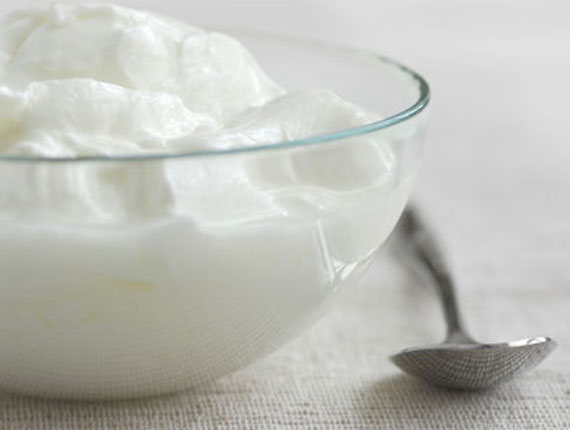
    Homemade Yogurt

    Yogurt has many health benefits

    Supposedly of Turkish origin, yogurt nowadays is one of the most used and versatile foods in a variety of ethnic cuisines. Not only is it considered a great breakfast snack, a healthy mid afternoon bite and a great addition to curries, yogurts are used in many other dishes and can be great in both sweet and savoury recipes.

    Yogurt is mainly known as a popular health food and because of this soared in popularity in the 1950s. Yogurt is thought to have first been made in 5000 BC when accidental curdling of milk occurred.

    Yogurt has many health benefits for the reason that it is made using the fermentation process which allows the milk to thicken and create the smooth and creamy yogurt texture. It also contains active cultures which are known to boost digestive health and improve your immune system by using good bacteria. These cultures and positive bacteria can also help you fight infection and reduce the risk of inflammation.

    Did You Know?

    • It wasn’t until 1946 that fruit was added to yogurt to sweeten it!
    • 300,000 tons of yogurt per year are eaten in America alone.
    • There are over 50 different flavors of yogurt.
    • Yogurt comes from the Turkish word ‘yogurur’ which means ‘long life’.

    Making homemade yogurt

    If you have tried many types of yogurt before, you may like to try your hand at making your own – this way you know what is going into it rather than relying on the nutritional information on a yogurt packet.

    You need:

    • 4 cups milk
    • 3 tbsp live yogurt

    1. Whisk dried milk with milk then add to a pan over a medium high heat until it is almost at 180 degrees Celcius.

    2. Take milk off the heat and allow to cool to 43C. Mix with the dry yogurt culture.

    3. Pour the mixture into a yogurt glass jar or glass bowl with a lid.

    4. Keep the yogurt at 43C for six hours – you could preheat a slow cooker and heat it this way (just make sure you turn the heat off before you put the jar in). Alternatively, heat up lots of hot jars and place the yogurt with those jars in a picnic cooler.

    5. Once fully cultured after 6 hours, remove and place the yogurt in a lidded container in the fridge.

    There are many other methods to creating yogurt but this is the simplest recipe out there. It is also fantastically versatile and only takes you to the stage where it is a plain flavour. For a different flavor yogurt ideal for breakfast, mix in berries of your choice and possibly a dash of honey. Experiment with your flavors and you’ll soon be creating a food to be proud of!

    Besides eating yogurt as is or with fruits and cereals, yogurt may also be used in making sald dressings, in curries and many other recipes. Find some of these yogurt recipes on Recipebridge.


  • Fresh Salsa Recipe

    Chris Koetke, host of the LiveWell Network show, Let’s Dish, is whipping up some fresh, homemade salsa that is super easy to make. With the vegetable gardens springing into action in summer, you can probably find all the ingredients in your yard.

    Find more salsa recipes on Recipebridge.

  • Delightful Strawberry Dessert Recipe

    Strawberries are in season now. Cathy Laabs shows us how to make a yummy strawberry dessert.

    Try more strawberry dessert recipes on Recipebridge.

  • Spinach Antipasto Salad

    Try the refreshing Spinach Antipasto salad from Bruce’s kitchen in Ripon.

    Find more salad recipes on Recipebridge.

  • Pack up for International Picnic Day

    Picnic Meal

    Packing a picnic meal

    A picnic is quite simply, dining outdoors. It may be as simple as packing up a few sandwiches and sitting in the park, or it can be a more glamorous occasion which involves hampers of sophisticated drinks and nibbles to tickle the taste buds. Whatever your style of picnicking, you can celebrate in your own way today for International Picnic Day!

    A typical picnic day might entail an outing with a gathering of friends or family where each group brings different foods to pick at. Sandwiches, crisps, finger foods, fruits, cakes and cold drinks are often part of a picnic day, and it all usually takes place on a patch of grass, hopefully in the sunshine (weather permitting!) and with each member of the picnic party sitting on their own spot on a picnic blanket.

    There is something about the outdoors which makes food taste so much better – perhaps it is the fresh air mixing in with your taste buds or perhaps it is simply the novelty of eating outdoors. Whatever it is, picnics are not only a great time to socialise but they are also a great time for you to create your perfect hamper of foods and drinks that you want to share.

    Cold and cooked foods for picnic baskets

    Unless you are bringing flasks of tea or soup with you, picnics are made up of cold foods and therefore if you are planning on taking any cooked meats with you, you will need to allow time for cooking and cooling down! Cocktail sausages, sausage rolls and chicken legs are often popular amongst meat eaters and vegetable samosas are great for those that like their spicy flavours.

    Having plenty of paper plates and cups and plastic cutlery to hand is always a good idea – especially if you are going to be adventurous with your salads. Instead of serving up a standard lettuce, tomato and cucumber combo, why not try a Shrimp and Noodle Salad with Ginger Dressing?

    For those with a sweet tooth, make sure you pack away some delicious cookies or desserts and if it is too hot to keep everything cool, avoid the chocolate cookies and try Pistachio Linzer Thumbprints instead!

    Potato chips are great to dip into when slowly grazing over the food in the afternoon, and if you want to have dips to accompany the chips, these can totally transform your picnic and can also be eaten with sticks of celery, cucumber, carrot or pepper!

    Keep a variety of drinks in a cool box with ice packs so that you can cool down at leisure – fruity sangria makes a great summer picnic drink and you will soon be snoozing in the sun after a couple of glasses!

    Find more picnic recipes on Recipebridge.