Blog

  • Marinating Steak Tips

    Marinating Steak Tips

    Marinating Steak adds flavor before cooking

    In many recipe books you will find that experts recommend that you marinate your steak fillets before you cook them. But what does marinating mean? And how will it improve the quality of your steak?

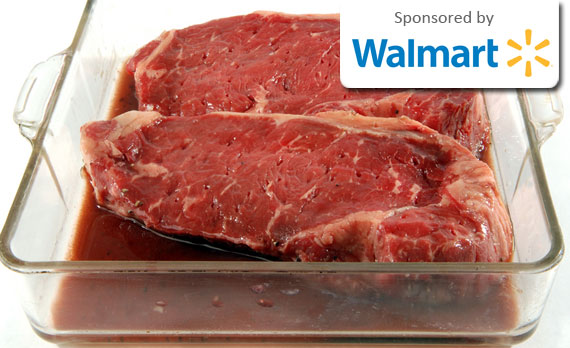
    Marinating Steak is basically the process of soaking your meat in a sauce before cooking it. The process is deemed as an essential part of cooking for those who love their different flavors and it is also a great way of retaining the juiciness of the meat.

    Prior to cooking, many cooks like to tenderize their meat by beating and soaking their meat in various kinds of marinade. This not only enhances flavor, but is also great for making the meat softer to the taste and tenderer to chew.

    Marinades usually come in three types; acidic, alcoholic or salty. The meat needs to be trimmed before soaking in the marinade, and should be mixed together according to each individual recipe. The acidic, alcoholic or salty marinade only needs a few hours to soak into the meat and shouldn’t be left overnight like other marinades (especially citrus marinades) as this may impair the taste of the meat. However, the acid marinades are great for tenderizing meat. Overnight marinades may only be used if they are specifically for steaks.

    For a basic marinade recipe you will need an oil (olive, corn, peanut etc), an acid (wine, vinegar, lemon juice etc) and some seasoning to add flavor. Alternatively, you can buy some pre-prepared marinades if you want to focus all your attention on cooking the steak itself.

    The marinating steak process is different for each different steak cuts

    The marinating process is simple if you know how long to marinate your steaks for. Marinating times can vary for different cuts of meat and it is a general rule that the tougher the meat, the longer it needs to soak in the marinade:

    • Ribeye Steak – Between ½ hour and 1 hour
    • T Bone Steak– Between ½ hour and 1 hour
    • Sirloin Steak – Between 2 and 4 hours
    • Round/Cross Cut Steak – Between 4 and 6 hours

    There are many types of marinades that go well with steaks and each person may have their personal favourites, but one of the great recipes includes: ¼ cup soy sauce, ¼ cup balsamic vinegar, ¼ cup Worcestershire sauce, ¼ cup olive oil, 2 tsp crushed garlic, 2 tsp Dijon mustard, and salt and pepper. All ingredients simply need to be mixed well together and then the steaks should be soaked in the marinade for approx 2 hours.

    A similar recipe can be used with slight variations if you prefer your steaks with a spicy kick – you can add a ¼ tsp hot pepper sauce. Some might even like to throw in some chilli seeds – but this really is only for those who love their spicy food. Don’t make it a heat you can’t handle or you wont be able to enjoy the steak! Find some delicious recipes for steak marinades on Recipebridge.

  • The Classic Chocolate Ice Cream

    Ice cream infograph

    We all scream for ice cream!

    In 1776, the first ice cream parlor opened in the New York City, since then ice cream has been the quintessential American dessert. At the same time, it’s world’s beloved dessert as well. Our fun infograph today shows much popular ice cream flavors and what they say about you.

    At the same time, tomorrow, June 7th we also celebrate the National Chocolate Ice Cream day! Though vanilla still tops as the most popular ice cream flavor, chocolate is a close runners up. This creamy, delicious flavor is now favorited in form of mint chocolate chip or chocolate chip and dark chocolate ice cream flavors as well.

    Host an ice cream social to celebrate

    So why not host an ice cream social with chocolate ice cream and an array of toppings to celebrate this sweet treat.

    Find chocolate ice cream recipes on Recipbridge or toppings recipes for your ice cream social.

  • Strawberry Shortcake Recipe

    Strawberry Shortcake in strawberry season

    Thiago Silva, the executive pastry chef at Catch in the Meatpacking District, visited the Good Day Café. Silva prepared Strawberry Shortcake with Mascarpone Cream and Thai Basil.

    Find more recipes for strawberry shortcake on Recipebridge.

  • 8 Ways to Add Earthy Mushrooms to Your Plate

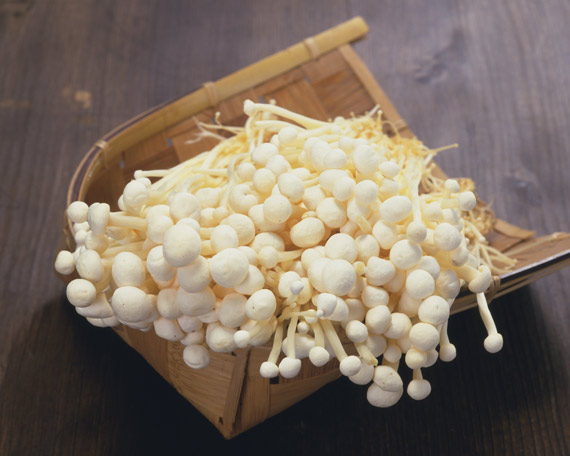
    Mushrooms

    Mushrooms- veggie or fungi?

    Although mushrooms aren’t made of meat, they aren’t necessarily a vegetable in the traditional sense either. Confused? Well, mushrooms are in fact in a category called “fungi”. This basically means that it doesn’t thrive off light like vegetables, but instead grows in dark, damp conditions and releases spores to ensure more mushrooms grow.

    Mushrooms are great for us because they naturally contain MSG (Monosodium Glutamate) which is part of the salt in amino acids. This helps your body recognise and use proteins so that you can get the most out of the mushrooms that you eat!

    Mushrooms are rich in the famous umami flavoring (a savory flavoring which is synonymous with Japanese cuisine). Not only does it have such a distinct flavor and the versatility to be added to different dishes, the mushroom is also packed full of many health benefits. These include support for your immune system, antioxidants to help with metabolism, and anti inflammatory prevention which help reduce the risk of cardiovascular disease, cancer and diabetes.

    8 scrumptious recipes with mushrooms

    1. Stuffed mushroom recipes
    2. Mushroom sauce recipes
    3. Portabella mushroom burgers
    4. Marinated and grilled mushrooms
    5. Mushroom curry recipes
    6. Mushroom pilaf recipes
    7. Mushroom soup recipes
    8. Sauteed mushroom recipes
    Don’t underestimate or leave these nutritious and earthy fungi, make sure you add some mushrooms to your everyday diet.
    Find these and more recipes with mushrooms on Recipebridge.


  • Family Brunch Recipes

    Home cooked brunch meals are everyone’s favorite, and family traditions run high when creating many of these recipes. The video shows an assortment of family recipes from Indiana, with mom’s granola, quiche, polenta casserole, rolls and fruit twists.

    Find many brunch recipes on Recipebridge.

  • 6 Indulgent Recipes to Celebrate Cheese Today

    National Cheese Day

    National Cheese Day today

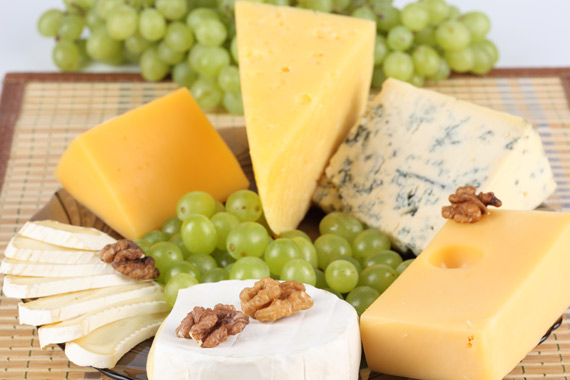
    A milk-based product, cheese has many uses and can be found in a multitude of recipes from across the globe. Cheese is mainly made up of the proteins and fats of milk and can go through a variety of different processes in order to give each type its own unique flavor. It’s National Cheese Day today, so why not celebrate this delicate food and indulge in some good cheeses.

    There are around 2,500 cheeses in the world and each of these can be organised into five main categories:

    1. How they are ripened
    2. Whether they have been processed
    3. How much moisture they contain
    4. How old they are
    5. Where the milk has come from

    Fun Cheese Facts:

    •  The first cheese factory was established in 1851.
    • The French spend 7% of their food budget on cheese.
    • The US is the top cheese producer in the world.
    • Processed cheese was first made in 1915.
    • A rare ‘moose’ cheese is made in Sweden which is sold for $1000 per kg.
    • A massive half ton block of cheese was sculpted into a crown to mark the Queen’s coronation in 2010. It took Tanys Pullin 90 hours to make.
    • Cheese has been found in Egyptian tombs from over 4000 years ago!
    • Mozzarella is the most consumed type of cheese in the US, cheddar takes a close second.

    Cooking With Cheese

    Cheese can be added as a topping to a variety of dishes, as a seasoning, extra flavouring or can make up the main part of a recipe. Whatever its usage, experiment with different types of cheese in order to widen your scope and truly appreciate the variety available to you – you certainly won’t regret it!

    Here’s our pick of some delicious cheese recipes:

    Enjoy these cheese recipes and find more cheese recipes on Recipebridge.com.


  • Potato Pancake Recipe

    Chef Edward Lee shares Colonel Harland Sander’s famous recipe for potato pancakes. He found this recipe in Sander’s newly discovered autobiography. You can make and share this potato pancake recipe on KFC’s Facebook page.

    Find more potato pancake recipes on Recipebridge.


  • Tips for Perfect Hard Boiled Eggs

    Hard Boiled Eggs

    Getting the right texture with hard boiled eggs

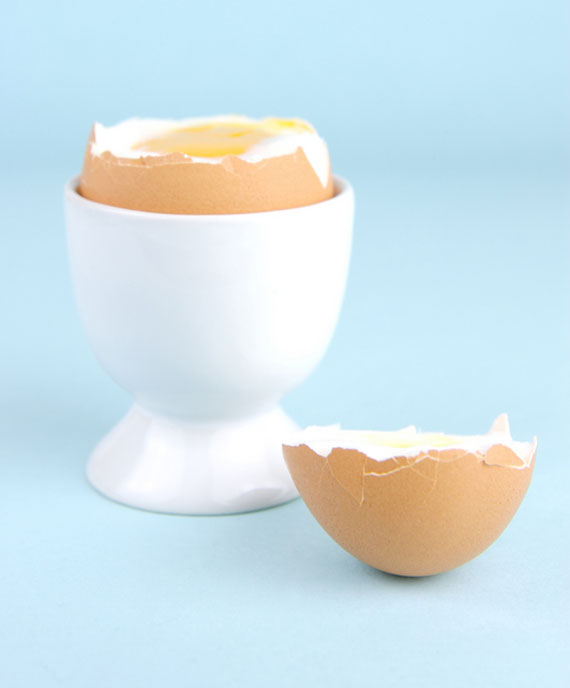
    Hard boiled eggs are a tasty breakfast treat which can also be used in a variety of other recipes such as sandwiches, salads, meat dishes, rice dishes, on toast or simply on their own as deviled eggs. However you like your hard boiled eggs, there is a technique to cooking them just right so that you get the ideal texture.

    Eggs are a great source of protein (beneficial for muscle building) and can also boost your cholesterol if your levels are low. It is important to remember when cooking your eggs that you do not want to overcook them. This will impair the taste and turn the yolk a dark color.

    Tips to make the perfect hard boiled eggs:

    • Don’t stack them high in a saucepan – just lay them out in a single layer and ensure they have at least an inch of cold water covering them. Slowly bring to the boil and add one tsp salt. When the water begins to boil, take the pan off the heat for a few seconds and reduce it to a low heat.
    • Return the pan to the heat and allow to simmer for one minute. After this time, turn off the heat, remove the pan, cover and let the eggs rest for 12 minutes.
    • In order to check for egg doneness, check one of your eggs after 10 minutes by running under cold water and cutting it. If it’s done, great – if not, allow the eggs to sit on the heat for a couple extra minutes.
    • Do not overcook – 12 minutes is pretty much the optimum time to cook a proper egg.
    • Remember that timings may vary depending on your equipment and the types of eggs and number of eggs you use, so adjust your timings accordingly.
    • Don’t try and peel the shell off while they are still hot. Cold water helps the egg set as well as making them much easier to handle. Strain the hot water from the pan and fill with cold water. After a few minutes, discard of this water then add fresh cold water.

    Tips for peeling hard boiled eggs

    Using a teaspoon is a popular peeling option. First, peel a little of the egg off in order to insert the spoon, then allow the bowl of the spoon to cradle the egg and scoop it round. This should allow the egg to gently pop out of its shell!

    Rolling the egg to crack the shell works well too – tap your egg at each end on a board then roll it away from you on its side, ensuring you push down enough to crack the shell. Place the egg in a bowl of water and smoothly slip the shell off.

    These are the two best methods of egg peeling, but if you have a tried and tested technique that you want to stick with then that’s fine too. Alternatively, if you want to spend a while picking bits of the shell off, go for it. It just might be a bit tedious!

    Find recipes for hard boiled eggs on Recipebridge.

  • No Bake Cookie Recipe

    Jamie Matczak shows us how to make a thrifty cake mix cookie recipe.

    Find more no bake cookie recipes on Recipebridge.

  • Kale from Farmer’s Market

    Kale

    Nutrition packed kale

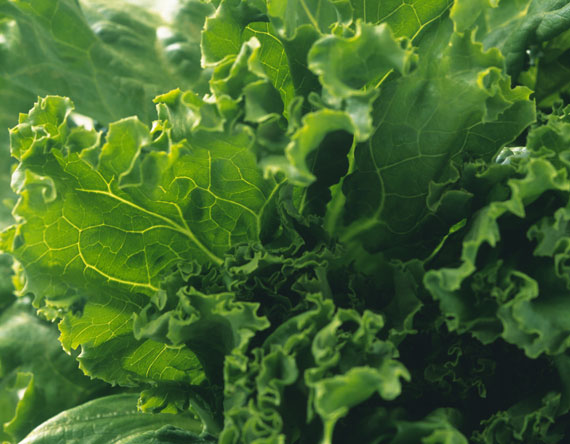
    Kale, a cousin of the cabbage family has been around since the Middle Ages and grew in popularity in the UK during World War II during the period of rationing across Britain. This was because it was easy to grow and was a great way of keeping people healthy at a time when food was scarce.

    Kale is mainly famous for its fantastic health benefits. These include its detoxification benefits, cancer prevention, support for your cardiovascular system plus much more. Kale is packed full of antioxidants which means that they are great for flushing out your body of illness and also allowing better digestive health. The antioxidants called carotenoids and flavonoids are particularly beneficial for helping the prevention of cancer reducing the risk of inflammation.

    Ways to cook kale

    Kale chips – Kale can be made into chips and fried in olive oil and salt, or they can be heated in oil in a skillet. The skillet method is a great way of quickly cooking up a healthy side dish and only take 2 to 3 minutes to prepare and cook. The stems are generally thrown away and the leaves when wilted in the skillet are truly delicious.

    Salads – Kale goes really well in a salad and can be left raw if you want a cold, crispy salad to eat in the summer. This needs a little preparation however – if you aren’t cooking it, kale can be very tough. Therefore massaging it can tenderise its tough texture and develop its flavour.

    Blanching – Remove the stalk, and cook the kale in boiling water for three minutes. Have ice cold water ready in a separate pot. After three minutes, remove the kale using tongs and soak it in the cold water straight away. This is great if you want to save a freeze kale to reuse another time.

    Boiling or Mushing – In order to remove the bitterness from kale, many people like to boil kale for 4 to 5 minutes. In general, massaging the kale by hand releases the bitter flavours and leaves you with a tasty vegetable!

    5 Recipes to enjoy kale:

    Find these, and more kale recipes on Recipebridge.