Blog

  • Guest Blogs Wanted

    guest blogs

    Sharing your insights through guest blogs

    Writing guest blogs is the new way of self promotion which helps food enthusiasts, and more specifically, food bloggers improve their subscribers. Recipebridge is currently looking for bloggers (mainly food blog owners) to write some guest blogs for us.

    Guest blogs are basically articles/blogs which are posted on a different blog which is not your own. Thought provoking, interesting, and above all fun guest blogs have many benefits such as:

    • Raising awareness of your own blog
    • Connecting with new readers
    • Getting a larger fan base
    • Speaking to people with similar interests
    • Giving advice to those who need it
    • Introducing yourself to new online communities
    • Getting a higher search engine ranking by using backlinks

    We’d like to open up the Recipebridge blog to a guest blog every week and if it’s all relevant content, we would love to hear from you. Whether you write us a blog about your local farmers market or give our readers some tips about how to host the ultimate dinner party, your guest posts are very welcome.

    If you are interested, have a food blog of your own and want to write guest blogs for us, then make sure you submit some of your best work to us – first impressions count, and the more readable your gust post is, the more likely to connect with our subscribers!

    What do I need to do to write guest blogs?

    Research – Familiarise yourself with our blog, if you feel like there are topics which haven’t been covered and you want to make an impact on the blog with your guest post, then research is vital.

    Write – Write your guest blogs with expertise and knowledge and eloquence. Try to avoid using non-specific fluff just to reach the word count, but also make sure that your content is readable. Write with passion and this will shine through to the reader.

    Check, check, check! – Proofreading is vital, and a person that double checks and triple checks their work is sure to have a grammatically correct and spell-checked document to submit. No matter where you submit your blog, hosting blogs will always need you to check for spelling and grammar errors before you send it off – after all, it’s not the hosting blog’s job to be your editor!

    Submit – Send a polite cover email to Recipebridge and attach your proofread blog. Don’t be offended if it is rejected, it’s nothing personal, but sometimes certain blogs may not be relevant to our site. If you are writing along the right lines, we might ask you to tweak bits instead.

    Interact – Once your guest blogs are accepted, don’t let them fall flat. People like to comment on blogs and by communicating with them by answering their questions or simply thanking them for reading the blog, you will be able to boost your reputation and credibility as a guest blogger.

    If you are interested in writing guest blogs for Recipebridge then please contact us on Recipebridge.



  • In The Kitchen Making Kid Friendly Recipes

    Making kid friendly recipes

    Culinary instructor Alysia Fuchs is making a name for herself in the area by teaching kids how to cook. Watch her  showing us her easy kid friendly recipes.

    Find more kid friendly recipes on Recipebridge.

  • The Frozen Yogurt Experience

    Strawberry frozen yogurt

    Frozen yogurt deliciousness

    Yogurts are very popular desserts. Frozen yogurt made from dairy products such as cream and milk is frozen and take on the same texture as ice cream when it’s ready to eat. Ice cream lovers that enjoy their ice cream but want to try a slightly healthier alternative will love frozen yogurt – a creamy and cold sweet dessert.

    Although frozen yogurt, ice cream and gelato are all frozen desserts, they are all different from one another. They can all be eaten out of cones or cups but the manufacturing process is what usually separates them. Gelato for example is a popular Italian dessert. It is mainly made of churned milk, has less sweeteners and flavourings than ice cream of frozen yogurt and has a very creamy texture. Frozen yogurt on the other hand is made when milk, probiotics and ‘good bacteria’ are added together, yogurt is made. Due to the good bacterial content which can help your digestive health, frozen yogurt is much healthier than ice cream.

    Frozen desserts date back to Asia thousands of years ago, and there have also been references to their use in Ancient Rome by Emperor Nero. However, it wasn’t until the 1970s (over 200 years after frozen desserts were introduced to America) that frozen yogurt started to get noticed and it then wasn’t until the 1980s when the health aware population took a genuine interest in the dessert.

    With a slightly more tart taste than ice cream, and far less calories than its unhealthier rival, frozen yogurt has soared in popularity, especially in recent years when there has much more awareness of health and the obesity epidemic.

    Fun facts about frozen yogurt

    • It is nicknamed ‘frogurt’ by some people.
    • It has been eaten for over 4000 years.
    • The milk can be made from any milk-producing mammal.
    • It has health benefits including helping with digestive health, and is a good source of protein and calcium.
    • Yogurt is considered lucky in Nepal.
    • National Frozen Yogurt month is June.
    • The word ‘yogurt’ comes from the Turkish word ‘yogurur’ meaning ‘long life’.

    There are so many varieties of frozen yogurt in terms of brands and flavours that it can be quite difficult to choose from including:

    • Cookies and Cream
    • Raspberry
    • Strawberry
    • Peanut Butter
    • French Vanilla
    • Pistachio Coconut
    • Blueberry
    • Mint
    • Green Tea
    • Chocolate
    • Lemon
    • Plus many more!

    Whatever your favourite flavor and whether you have it in a cup or cone you are sure to find a variety you like. You could even try different flavor toppings drizzled over the yogurt to give it an extra depth in flavor – you will love it!

    Find recipes with frozen yogurt on Recipebridge.

  • Southwestern Pork Egg Rolls Recipes From Iguana Macks

    Jason Lera, the executive chef from Iguana Macks in Chandler has great grilling recipes for summer barbecues. Here’s one of his recipes for south western pork egg rolls.

    Try this refreshing and simple recipe for the weekend.

    Find more recipes for pork egg rolls on Recipebridge.


  • Exotic Truffles

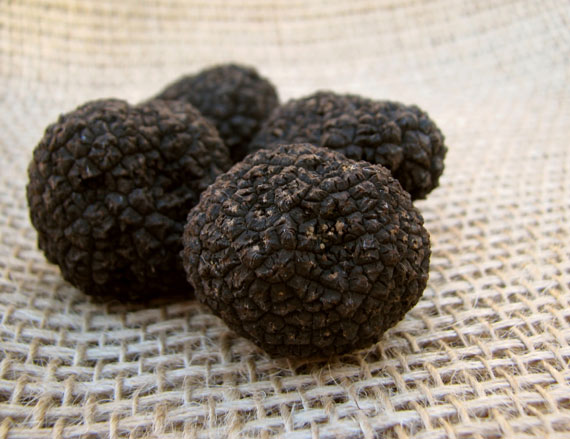
    Truffles

    Uniquely flavored truffles

    Considered an extremely popular delicacy across the world, truffles are usually found underground, making them very hard to come by. In order to discover their whereabouts, many truffle farmers use specifically trained pigs and dogs to seek them out. Truffles are made by fungi found underneath trees and are a popular food for their intense and unique flavor.

    You should give this interesting and aromatic food a try. Truffles can be found across the world in a variety of locations, but generally found in Europe and the French truffle (black in colour) is one of the most popular and desirable on the planet.

    Health Benefits of Truffles

    Truffles are not only a delicacy; they are also famous for their great nutritional value:

    • Low in Fat – With a very low fat content, truffles are a vegetable and so are low in fatty acid levels.
    • Good Carbohydrates – A good source of carbohydrates, truffles can help promote weight loss.
    • High in Protein – Containing some vital amino acids, truffles can therefore help muscle growth.
    • Decrease Cholesterol Levels – Truffles are free from cholesterol so are great for people prone to heart problems or for anyone hoping to improve coronary health.

    Cooking with Truffles

    Fresh truffles taste much better than preserved, and give off a fantastically delicious and earth scent. Due to their rarity, portion size is one of the key things to remember with truffles and each person should have between 8 and 10 grams.

    Simple recipes work best when cooking truffles because of their distinctive taste. It is also vital to remember that they shouldn’t be cooked for a long time or it will leave its pungent perfume like scent.

    Find more recipes with truffles on Recipebridge.

  • Ranch Crackers For Your Appetizer Table

    Dawn shares an interesting recipe to dress up oyster crackers. She adds ranch and other herbs to transform the regular oyster crackers into delectable and super easy ranch crackers. This recipe has received rave reviews from the audience and an incredibly simple recipe to do with kids too.

    Find more recipes for crackers and appetizers on Recipebridge.

  • What is Kobe Steak?

    What is Kobe Steak ?

    The Exotic Kobe Steak

    Kobe steak is the cut which comes from a specific region in Japan and from a specific type of cattle called ‘wagyu’. It is mainly well known for its very high price, but is also famous for its beautiful quality marble effect beef, its texture, tenderness and its flavour.

    The meat comes from some of the best looked-after cattle on the planet, as the cows receive muscular massages, are given beer to drink during the summer and are hand fed grains to increase good fat in their tissues. The massages are said to relax the cattle and this apparently produces better beef. The beer also helps with fattening up the cattle and this allows the thin streaks of fat to run through the meat, creating the desirable marbling effect for steak.

    A similar texture to filet mignon, the Kobe beef steaks are considered a Japanese delicacy. In fact, it is virtually impossible to find Kobe steaks anywhere outside of Japan. Kobe-style steaks are more popular with Western countries where Kobe steak is hard to get hold of.

    Steaks are usually ranked in grade ranging from Prime to Choice to Select. Kobe steak is such a high quality of cut that it is considered to rank more than 2 grades higher than prime cut beef. The Kobe cattle are raised on only 262 farms in the ancient Tijama region of Japan and have never been mass produced. The Kobe steak’s exclusivity makes it very popular amongst restaurateurs, and even Kobe-style steak sold in top quality restaurants and markets is considered to be some of the best quality steak in the world.

    Kobe Steak should be enjoyed as rare or medium rare done

    Sake, a traditional Japanese drink, is brushed over the cattle’s hairy coats. This is because the Kobe beef farmers in Japan believe that this keeps their hide soft, and keeping the skin and coats soft can lead to a better quality of meat.

    Due the Kobe steak being considered very much a speciality steak, they are very hard to get hold of, and if you do ever sample this meat it will probably be in Japan, and you will probably have to pay quite a lot of money for it. In terms of expense, you can expect to pay $190 for 24 oz of Kobe beef. Kobe-style beef on the other hand can cost $90.

    Due to the tenderness of the Kobe steak, if you were to ever cook it, it shouldn’t be done any more than medium rare. This will allow you to appreciate the flavour, marbling and juiciness of the meat without destroying its taste with overcooking. Unsurprisingly, Kobe steak is rarely served with any form of seasoning or garnish, as the steak tastes so good on its own. Only seared for a short period, natural Kobe steaks are the most delicious cuts of meat you will sink your teeth into.

  • Mass Appeal – Asparagus Recipe

    Cooking enthusiasts,  Mary, Nikki and Lisa are going to show us how to prepare asparagus three different ways. Asparagus is something that is almost natural to western Massachusetts, often called hadley grass, because it has been growing in Hadley since the 190os. Savor this hadley grass with these recipes.

    Find more asparagus recipes on Recipebridge.

  • The Gourmet World of Ceviche

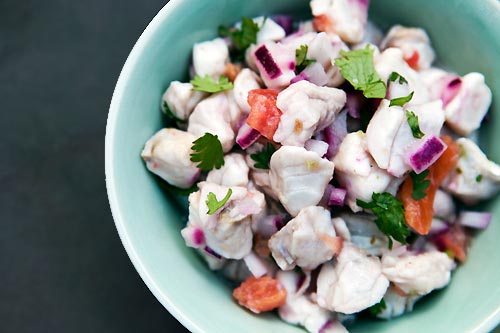
    Ceviche

    The amazing ceviche

    A popular seafood dish in South and Central America, ceviche is made up of spicy raw fish and tangy citrus juices. The main ingredients found in ceviches are a variety of fish, citrus juice, onion and chilli peppers.

    Mainly popular in South America, ceviche is made up of raw fish cut into chunks, and marinated in a citrus, salty and seasoned sauce. The juices can penetrate the fish and change its flavour but still retains its raw texture.

    Instead of cooking the fish, the citrus juices are used instead to soak into the fish to ‘cook’ it. The dish has a light and refreshing taste and is a perfect meal for lunch or brunch. Although it is a traditionally South American dish, there are many varieties from other places in the world.

    Different takes on ceviche recipes

    A Thai Shrimp ceviche is a popular take on the basic dish and is sweet yet spicy which gives it a great Thai taste. You will need:

    1/2 pound cooked shrimp, shelled, deveined and chopped
    2 teaspoons fresh lime juice
    1/2 teaspoon sea salt
    1 cup jicama, julienned
    1/4 cup red bell pepper, julienned
    1 tablespoon scallion, thinly sliced
    2 teaspoons minced Serrano chilli pepper
    1/2 cup fresh squeezed grapefruit juice
    1/2 cup chopped fresh cilantro
    1/2 cup fresh grapefruit segments

    Put your lime juice, salt and cooked shrimp in a large bowl, and allow it to sit for 5 minutes.

    Next, add jicama, bell peppers, scallions, Serrano pepper, grapefruit juice and cilantro. Toss your mixture gently, then refrigerate until chilled or for about an hour.

    When ready to serve, divide the shrimp mixture on your plates and garnish each plate with 2 tbsp of fresh grapefruit segments and serve. This recipe uses the citrus of the grapefruit to penetrate the shrimp and adds a sharp yet sweet taste to the dish.

    For a Spanish style ceviche, gather together the following ingredients:

    12 to 16oz lean white fish, diced in 1/2-inch cubes
    8oz bay scallops
    2/3 cup fresh lemon juice
    2/3 cup fresh lime juice
    1 tsp salt
    1 1/2 tsp fresh minced oregano
    1 tbsp olive oil
    1/4 tsp white pepper
    1/4 tsp ground cumin
    1 tomato, diced
    1/2 medium sweet onion, diced
    1 tsp white vinegar
    1 cup cooked bay shrimp
    1 fresh jalapeno pepper, seeded, deveined and minced
    1 tbsp finely chopped fresh cilantro

    Mix fish, scallops, half the lemon juice, half the lime juice, salt, and oregano in a bowl. Toss to coat the fish, cover, and refrigerate 2 hours. After 2 hours, drain juice completely. Place drained fish into a freezer bag.

    In a bowl, combine remaining the rest of the lime and lemon juice, olive oil, pepper, cumin, tomato, onion, vinegar, shrimp, jalapeno, and cilantro. Stir well. Add to drained fish in the bag, squeeze out the air and seal.

    Refrigerate overnight. Serve ceviche cold on a bed of mixed lettuce greens as a salad.

    Refreshing and cool, ceviche makes the perfect summer dish.

    Find more ceviche recipes on Recipebridge.

  • Delectable Buttermilk Biscuits

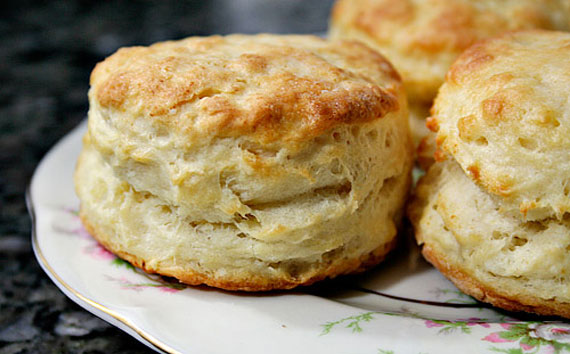
    Buttermilk biscuits

    Celebrating Buttermilk Biscuits

    Buttermilk biscuits are popular creamy snacks similar to scones. They are light and easy to bake and have a great flaky texture which makes them truly delectable! It’s National Buttermilk Biscuit Day today and it is the perfect time of year to celebrate these delicious little treats.

    As buttermilk biscuits are a light texture, if you want to make them, you need to ensure that you end up with a light, tender and flaky texture – not a thick and doughy mixture or they won’t taste right!

    Tips for making buttermilk biscuits tender and flaky:

    • Keep the butter cold before you use it.
    • Remember to preheat your oven so that you don’t leave your mixture to sit.
    • Mix the dough with a fork – lumps are fine – you don’t want it to be smooth!
    • Avoid using self raising flour as this gives the biscuits a strange taste.
    • Don’t knead too much.
    • Roll the dough out to about ¾ inch.

    To make a buttermilk biscuit, you will need:

    1 1/4 cup cake flour
    3/4 cup all-purpose flour
    1 1/2 tsp baking powder
    1/2 tsp baking soda
    1/2 tsp salt
    1/4 cup butter, cut into small chunks
    3/4 cup buttermilk

    1. Preheat oven to 500F.

    2. Cut butter into 1cm cubes, put them in a bowl and place in fridge. Measure out buttermilk. Dust work surface with flour, using extra flour to keep your hands and cutter dry. Have the cutter and a baking tray to hand.

    3. In a large bowl, mix flour, baking powder, baking soda and salt together until very well blended. Using a pastry blender, cut flour into butter. Alternatively you can use two knives or your fingertips, until mixture goes crumbly. Pour in buttermilk and stir until the mixture forms a dough.

    4. Place dough onto floured work surface. Sprinkle flour on your hands then lightly knead dough until it is blended quite well. Push dough out into a circle (about ¾ – 1 inch thick) and push the cutter into flour and cut biscuits (try to avoid twisting the cutter). Without re-rolling the dough, push the scraps together to form another biscuit shape. Place the biscuits on the baking tray so that their sides are touching.

    5. Place baking tray in the middle of the oven at 500F and bake for 8-10 minutes until they are golden brown. Take biscuits out when done and place on a wire rack to cool for a few minutes.

    Try various twists on buttermilk biscuits

    For a different twist on the traditional buttermilk biscuits, you might like to try a pecan version. Either crush pecans up and mix into the dough for an overall nutty taste, or coat the biscuits in syrup and toasted pecans for a sweet and nutty taste.

    Find recipes for buttermilk biscuits on Recipebridge.