Blog

  • Heart Smart Blueberries

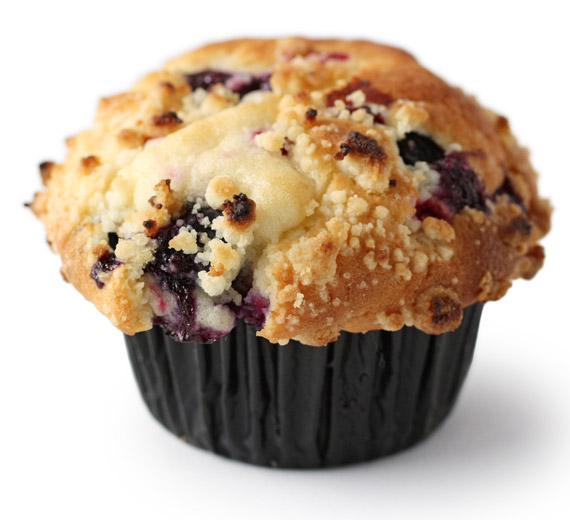
    Muffin with blueberries

    Savor the sweetness of blueberries

    Small, sweet berries from a healthy small shrub, blueberries are some of the healthiest berries on the market today. With a multitude of health benefits and such a great flavour, it is no wonder that these little juicy things are so popular across the world and have gained status as a “superfood”.

    In terms of health benefits, blueberries are one of the highest forms of fruit when it comes to antioxidants, and are mainly native to North America. The antioxidants which blueberries contain have been proven to help the nervous system and memory. Freezing blueberries can lock in their nutrients and no nutritional value should be lost after defrosting them. Blueberries are also known to have great cardiovascular benefits, with the ability to lower cholesterol and regulate blood sugar levels.

    A traditional American favourite is the quintessential blueberry pie. Made with a thick, crumbly butter crust and a deliciously gooey blueberry filling, this is a easy to make and delicious dish to serve up for dessert. You can even opt for a simple recipe with a pre-made pie crust; it’s totally up to you (no one needs to know!).

    Find blueberry pie recipes on Recipebridge.

    You will need about 675g blueberries, 1tbsp butter, 1tbsp plain flour, 1tbsp lemon juice, 100g caster sugar and 20cm pastry case (make sure this is baked and properly cooled down). Spread half the fresh blueberries across the bottom of the pastry case. Then, in a pan on a medium heat, mix the butter, flour, lemon juice and sugar together well. Add the other half of the blueberries and bring the mixture to the boil until the blueberries are beginning to pop open. Pour the hot berry mixture into the pastry case and leave to cool. Top with whipped cream and dust with cinnamon for a sweet treat after your entree! If you like a little spice, cinnamon can be added to the mixture too.

    Adding blueberries to recipes

    Although many people just like to eat raw blueberries (and this is the healthiest way to consume them!), there are many things you can do with them. They are great for adding a little colour to dull recipes, and are even better for adding a sweet flavour. Blueberry muffins, cakes waffles, loaves, and pancakes can all benefit from the addition of blueberries to the dish. They add a great colour,flavour, and texture to every meal they accompany and are a great healthy treat on their own.

    Whether you snack on them throughout the day or sprinkle them across your cereal in the morning,blueberries are sure to become a firm favorite in your household! Add some to your children’s packed lunches and mix them into fruit salads to add new textures and flavours to dull dishes and you will soon be reaping the benefits of these super healthy blueberries.


    Find more recipes for blueberries on Recipebridge.
  • March is National Flour Month

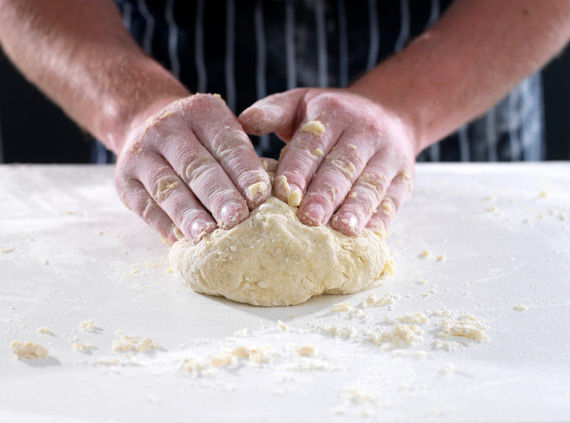
    Kneading Flour Dough

    Flour is the almost essential part of every meal

    Flour is a key ingredient in many recipes such as bread, crackers, cakes and pasta. It is a powdery texture and has been used since 9000 BC where wheat grains were ground by stones to make flour. Not just made of wheat seeds, flour can also be made from other grains as well such as rye and maize or even lentils.

    Whole wheat flour in particular is known for its health benefits. Whole wheat is ideal for boosting fibre in your diet, is a great source of magnesium, helps reduce inflammation, pain, and has been even known to help people lose weight.

    Kneading dough to make bread etc is a vital step in creating gluten which helps the bread take its shape and gain its ‘bread like’ texture. Flour, water and yeast are the main ingredients to a basic bread recipe. Flour should be added gradually, and should be carefully measured out so that your dough can gain the right texture – too much flour could dry it out. To knead it, use the heels of your hands to press the dough. Fold it back on itself, and keep repeating the motion.

    Whether you are making lentil flour from scratch or using pre-bought lentil flour, it is a great gluten-free alternative to standard wheat flour (lentil flour can be found in health food stores). If you are feeling adventurous and want to make you own lentil flour, some find that placing whole lentils in a blender does a good job of grinding them up properly.

    As whole grains are considered one of the healthiest grains out there, it makes sense to do some cooking using them! They are a crucial part of a healthy diet and have been known to lower the risk of heart disease. Also known as an “unrefined” grain, whole grain flour still has all the nutrients packed into each little piece so that you can reap the health benefits.

    Tips for Buying Flour:

    • Get the right flour – don’t buy plain flour when the recipe that you are using requires self-raising flour!
    • Plain and Self-Raising – great for crumbling textures
    • Wheatmeal and Brown – very fine texture
    • White – High in gluten; great for pastries
    • Wholemeal – Very absorbent and has good nutritional value
    • Gluten-free – Cornmeal or buckwheat etc are a great alternatives to be used in tortillas and pastas.

    Storing Flour:

    If you have weevil or insect problems, then you may not be storing your flour correctly. Put it in a strong plastic bag, squeeze out the air and then freeze it for two days. It can then be stored in a cool, dark place. Don’t store flour in a cupboard over a cooker or kettle – the heat and steam will attract insects.


  • Speed Cooking

    So often, people taking cooking so serious and following the recipes exactly. Take a look at this video from Moon TV and you’ll probably never cook the same again !

  • Cooking Crab on National Crabmeat Day

    Crab

    The abundance of crab recipes

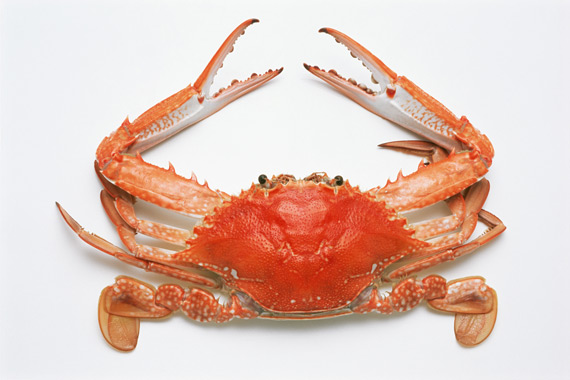
    People have eaten crab as a source of nutrition since prehistoric times, but they are often considered now as a delicacy. National Crabmeat Day is March 9th, and it is a day to celebrate crabs and the abundance of recipes they come in. Why not cook up your own crabmeat feast this March 9th and begin to enjoy crab like never before?

    Crabs have been around for millions of years, and have been found in many recipe books over the centuries, particularly appearing in Greek and Roman art and culture as well as medieval periods. It is because of this that when you eat crab, there is something almost historic about its taste and texture. It is so delicate and soft on your tongue that you feel more refined just by nibbling it!

    Most chefs will say that fresh crab tastes the best, so if you want to buy crab, try to get live ones – properly preserved crabmeat from a reputable local supplier is just as good. If you do get a live crab and you want to cook it in the most humane way possible, freezing the crabs for at least half an hour will ensure that they are unconscious when you begin to prepare them.

    Crabs can be cooked by boiling them whilst they are still in their shells. Boil for 20 minutes (per 1kg of crab) and then remove the legs and claws by twisting them off. Press down on the crab’s back shell with your thumbs to pull it away from the meat. Remove the stomach and soft gills (aka “dead man’s fingers”). The crabmeat inside the shell can be scooped out with a spoon and is a brown colour – the meat found in the legs and claws is white.

    The ever popular crab cakes

    Although crab can be boiled up and served alongside a variety of side dishes, crab cakes are one of the most popular crab dishes. Generally served as appetizers, these little treats are great when mixed with a little spice such as the Spicy Crab Cakes with Chipotle Mayo. A concoction of spicy herbs, spices and sauces make a wicked combination with the crabmeat in this dish and is a great starter dish before your entree.

    Crab cakes are usually about 2 inches across and are shaped like mini patties – they can be fried in hot oil on a skillet or in a frying pan until golden. Boiling, steaming or frying tend to be the most popular way of cooking crabmeat, but this can often depend on your recipe. Find crab cake recipes on Recipebridge.

    Crabmeat can be used in risottos, lasagnes, soups, salads and many other recipes. Its distinct taste and texture gives each dish a stunning outcome, and is a great addition to many meals. Buying crabs can be a little expensive so you may want to save them for a occasional treats or especially for National Crabmeat Day! Find more crab recipes on Recipebridge.

  • National Frozen Food Day

    Frozen food

     Today is National Frozen Food Day

    Although freezing foods is an ancient technique used by the Chinese and dwellers of the Arctic, Clarence Birdseye was actually the first person to observe the effects of quickly freezing fresh foods to lock in their nutrients and taste and by preserving it in frozen temperatures.

    Since 1984, March 6th has been National Frozen Food Day – a day to celebrate all things frozen and to also celebrate the innovative idea of freezing fresh produce! After the war, huge freezers were introduced to some homes across the world. These freezers were designed to hold a lot of food to ensure that bulk-buying was a great economic solution as well as a practical one.

    Frozen desserts and sweet treats grew in popularity over the 1970s and soon became a regular addition to every freezer. More recently however, there have been more debates about whether fresh foods or frozen foods have better nutritional value.

    Studies have in fact shown that frozen foods can actually be healthier than fresh foods. When meat, fish or vegetables are frozen, the freezing process keeps the good nutrients and vitamins in the food. By locking these in, you can then eat the frozen food by microwaving or cooking with it and still know that all the nutrients haven’t been lost.

    Frozen foods like produce or meat often do not use preservatives

    Another health aspect which makes frozen food more appealing is the fact that they do not use preservatives. These can be made of natural or manmade chemicals which prevent food from breaking down. Although they do the job of “preserving” the food, they can be unhealthy. Freezing is a much healthier and more natural way of keeping food fresh. By placing food in your freezer to store it, you can keep it often for a few months after its first use. In fact, more and more frozen food today will promote more healthy varieties of their food which come without the traditional preservatives.

    The great thing about frozen food is that you can eat a lot of foods that are out of season. Similarly, you can get access to other foods which might not even grow in your country! That’s right – frozen food is not only great for preserving food in your home, but is also ideal for keeping food fresh in transit too. Many frozen packaged foods are often frozen very quickly after they are harvested or caught.

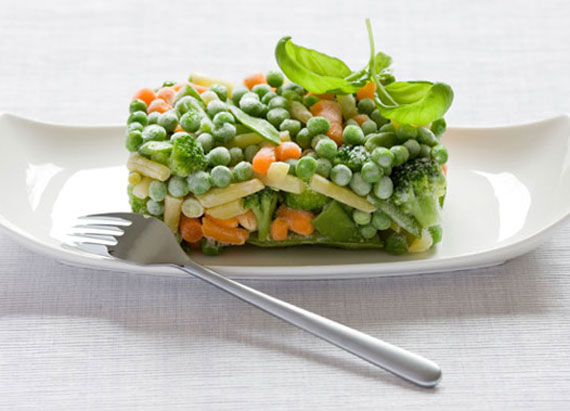
    Frozen pies, yoghurts, cakes and biscuits have all made their way into supermarket freezers, and other recipes such as Baked Frozen Peas with cream of mushroom soup make a great side dish. Peppers, chillies, and certain citrus fruits are great for freezing too – if you don’t cook with chilli very often then putting leftover chillies into a bag and freezing means that you have some left over and still usable for your next spicy meal!

    Celebrate National Frozen food day in style and try out new recipes – maybe even improvise with your frozen ingredients and start creating your own frozen concoctions. Also, find frozen food recipes on Recipebridge.

  • 10 Comforting Soups to Savor

    Soups to Savor

    Warming homemade soups

    When the cold sets in, there is nothing more warming than a variety of homemade soups. National Homemade Soup day is 23rd January and National Soup Month is celebrated in January too! It’s not only a time of year where charitable organisations help raise money to feed the hungry, but it is also a time for people to start sharing their recipes with their neighbours too.

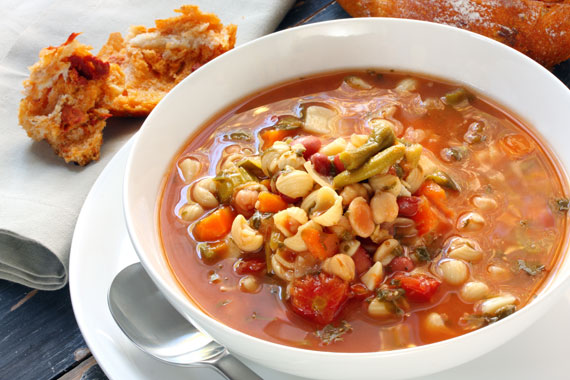
    Homemade soups are the ultimate comfort food, and if you are feeling chilly they are the perfect way of warming you up. From simple recipes such as tomato and basil to more complex recipes like butternut squash and bacon, over the years soup has truly evolved as a dish and more and more varieties are entering recipe sites, books and filling up supermarket shelves.

    If you want to freeze your leftover soups so that they last longer, ensure that they are a nice smooth texture before they go into the freezer. Let it first cool to room temperature then place it in freezable containers. Frozen soup will keep for between three and four months. To defrost, allow the containers to sit at room temperature for an hour or two and then empty the contents into a pan, add a dash of water and reheat as you would with other soups.

    Here’s our pick for easy and scrumptious recipes for soups:

    What are your favorite recipes for soups?


  • The Aroma of Celery

    Celery

    March is the National Celery Month

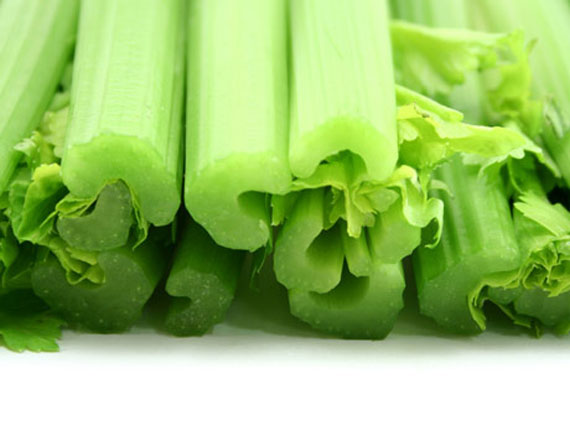
    Best known for its low-calories, celery can make a great diet snack, an interesting addition to casseroles and other dishes, and is even know to appear in various drinks recipes. Celery is the green-white stalk of a long plant which is very crunchy in texture, even after cooking.

    The whole of the celery plant is edible, and the roots of the celery also known as “celeriac” are often used in cooking too. Popular with those who are trying to lose weight, it is often said that celery burns more calories whilst chewing than it actually has, making it the ideal dieting snack.

    Also high in nutrients, celery is also great for your health. It contains Vitamin K which is great for developing stronger bones, and helping regulate blood circulation and clotting. It is also rich in Vitamin C, a better known vitamin which is important for building up your immune system, help your respiratory system, and speeding up the healing process. Celery is also packed full of antioxidants, great for lowering high cholesterol and relieving joint pain.

    Celery is an early spring vegetable which is high in water content and therefore makes a great addition to many salads and is also great with light dips for appetisers too. In fact, the Waldorf salad famously uses celery as one of its main ingredients. Alongside walnuts, red grapes, seasoning, mayonnaise, slices of apple and crunchy lettuce, the celery adds a very refreshing texture to this salad.

    The Waldorf salad was in fact introduced to the world in March, 1893 – and the salad was such an instant hit that this is why National Celery Month is celebrated in March. Find Waldorf salad recipe on Recipebridge.

    The crunchy texture of celery is enjoyed by all

    There are many recipes which include celery as a main ingredient, and thanks to this fantastic vegetable’s versatility, the celery can be used in all kinds of dishes. Celery might not be too appealing for your kids, so if you want to get them eating healthier foods, why not make it a bit more fun and make a celery man? Arrange your celery on a plate to make the ‘body’ and then give your celery man two carrot sticks for arms, and then get creative with a tomato, a slice of cheese, sultanas, and cucumber to make decorative facial features that your kids will love to pull apart one by one!

    For more of a “grown up” dish, try a Potato and Celery soup which is really easy to prepare and tastes best when simmered over a low heat for a couple of hours for all flavours to properly combine. Stuffed celery makes a great mid afternoon snack, and Celery Apple Gazpacho is a great summer lunchtime meal.

    No matter where you are or what you are doing this March, try something new with celery. Whether it is adding it to a casserole or just eating it raw, it can be enjoyed by everyone. Find more celery recipes on Recipebridge.

  • Celebrating the National Peanut Butter Lover’s Day today!

    Peanut Butter

    Peanut Butter-the humble comforting food

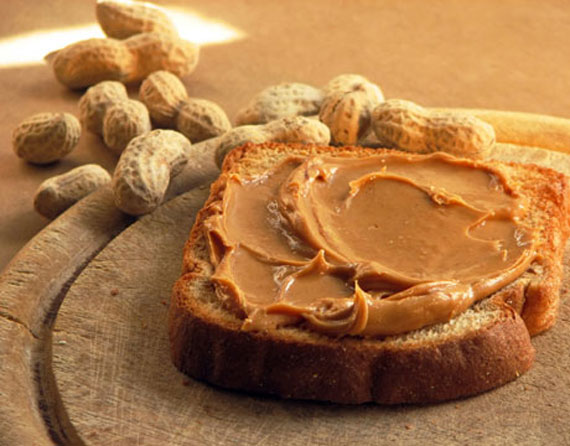
    A popular sandwich filling, toast topping and overall delicious spread, peanut butter is well loved all over the world even though it is simply ground up, pureed peanuts. Recently promoted as a nutritious addition to snack time, it is cheap too, making it the ideal spread for the whole family.

    March 1st is the National Peanut Butter Lovers Day and with the day comes to chance to experiment with lots of different PB recipes. Luckily for us, we don’t have to feel as guilty as we may do on National Chocolate Day, and the reason for this is…Peanut butter isn’t all that bad, and it’s actually healthy!

    If you are counting calories, peanut butter probably doesn’t look too good – however, it is known to be high in:

    Fibre – good for reducing cancer risks

    Protein – good for muscle growth

    Potassium – good for reducing hypertension

    Calcium – good for strong bones

    … and a number of vitamins!

    Times have moved on from the simple Peanut Butter and Jelly Sandwiches – nowadays, we like to try new things. Peanut butter is turning up in sauces, pies, soups and cookies plus many other recipes which make it an extremely adaptable ingredient and a great secret weapon when it comes to cooking new meals.

    Some of the ways we love peanut butter

    Check these recipes to which peanut butter lends its rich and satisfying taste:

    Do you like your peanut butter as your comforting and delicious spread or use it in a favorite recipe?

  • 10 Indian Curries you’ve Never Heard of

    Curries to savor

    Scrumptious Curries

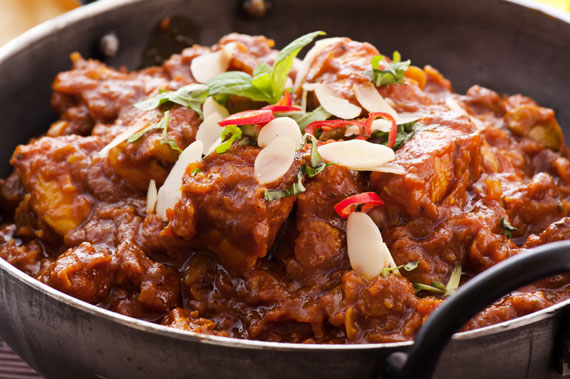
    Originating from Asian countries and originating from the South Indian word “kari”, the curry is an increasingly popular dish in a number of continents. Curries can come in all types with a variety of flavors and different ingredients which make each of them unique.

    A general ingredient base used in the majority of curries is a mixture of onions, oil, tomatoes, and a number of spices including ginger, cumin and coriander. The use of the ingredients and the spices can determine how spicy or mild a curry is and can range from the hottest of curries (such as a vindaloo) to a very mild dish (e.g. a korma). Other than the popular curries that you may have tried in restaurants or seen in recipe books, such as tikka masala, rogan josh or jalfrezi, there are other varieties that are equally as delicious but a little less famous.

    Picking ten lesser known curries:

    1. Venison Curry
    2. Indian Kadhi
    3. Kuzhambu Curry
    4. Rasam
    5. Tamarind Curry
    6. Fenugreek Curry
    7. Fish Amti
    8. Egg Curry
    9. Pumpkin Curry
    10. Malabar Curry

    Share your favorite curries with us!

    As always, we love to hear from you. Find more curries recipes on Recipebridge and post your favorite ones on our Facebook page or Tweet us!


  • Tapas for the Oscars Night

    Tapas

    Award winning tapas for the Hollywood night

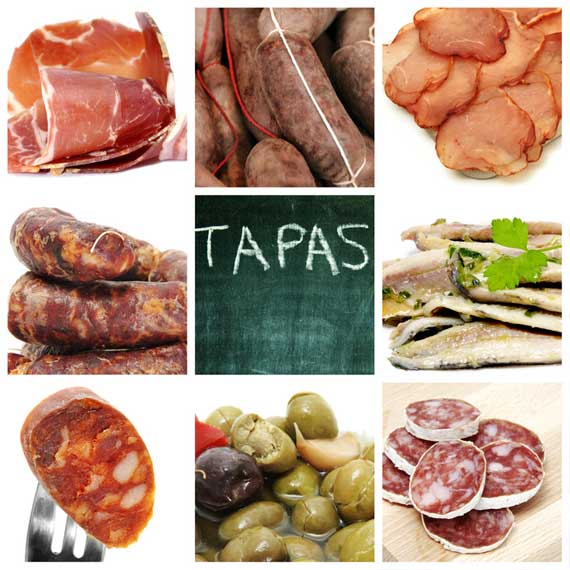
    Tapas originally comes from Spain and its name came about when the Spanish word for ‘cover’ (tapa) was used to describe the piece of ham that was traditionally used to cover a glass of wine. Today, we associate tapas with small dishes of different types of food. Tapas restaurants all over the world offer a great variety of seafood, potato, and meat dishes on their menus.

    Tapas serves the purpose of accompanying drinks which is why the dishes may seem small, but they are easy to pick at while you sip your beverage of choice. Try these Spanish and Italian tapas dishes tonight for Oscars gathering or for your next gathering and you and your guests will be ready to party the way into Spain! If you want to continue the Spanish or Italian theme, don’t forget to serve your tapas with chilled sangria (a Spanish wine punch) or chianti (an Italian red wine).

    Choose from our pick of tapas recipes here:

    Share your favorite tapas recipes with us!

    As always, we love to hear from you. Find more tapas recipes on Recipebridge and post your favorite ones on our Facebook page or Tweet us!