Blog

  • A Dozen Oysters

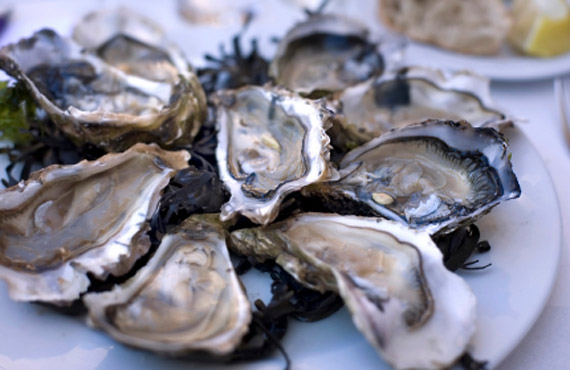
    A Dozen Oysters

    Eating oysters since the Romans

    Although oysters are dwellers of the sea, these little mollusks are best known for their useful production of pearls or as a source of food. The flavoursome flesh of this mollusk is protected by a shell and the meat inside the shell is considered a delicacy in various cultures throughout the world.

    Most famous for its aphrodisiac abilities, the oyster also has a rich history that dates all the way back to the Roman times. Since the rule of the Romans in 43 AD, oysters have been farmed in the south of England and other areas across the UK since. The French also have had a rich oyster farming culture since Roman times and still continue the tradition of oyster cultivation to the present day. In Ireland, an Oyster Festival is held in Galway each year where an abundance of the tender mollusks are eaten alongside bread and plenty of Guinness!

    ‘Shucking’ oysters…

    Ever wondered how to get an oyster out of its shell? Well first things first, the technical name for this is ‘shucking’. So to shuck an oyster you should first wrap your hand in a thin towel (a tea towel will do) and hold the oyster tight. Place a shucking knife at the hinge of the oyster and twist it to prise the shell open then use the knife as a lever to open the shell more. Wiggle the knife underneath the flesh so that it is free from the shell.

    Once the flesh is loose and no longer attached to its shell, you are free to enjoy the oyster how you please. Many people say that letting the oyster slip down your throat without chewing, it is the ‘proper’ way to consume an oyster. However if you want to get a good idea of what the flavour is like, I would recommend chewing it a little – at least then you will know whether you like it or not!

    If you have never tried an oyster before, I would suggest trying one without anything on just to get the pure taste and texture without any additional ingredients overpowering its natural flavour. If you are feeling more experimental however, try them with butter, cocktail sauce or shallot vinegar. Find more recipes on Recipebridge.

    The maxim used to be that “It’s safe to eat oysters in a month with ‘R’ in it!”. So it would seem that a rule applies where oysters are only good to eat during the colder months due to the change in marine wildlife in the summer.

    Although it’s a good general rule, it doesn’t really take into account where you are in the world and how the tides are affected near where you live. So I say the new rule is to do with the ease of refrigeration. Thanks to the invention of the refrigerator, we can now enjoy these delicious little treats all year round. Find some delectable oyster recipes on Recipebridge.

    Have you ever tried oysters before? What did you eat with them? Let us know your favorite recipes and tricks with oysters by tweeting us or posting on our Facebook page!
     

  • National Pickle Day

    National Pickle Day

    Add pickles to your side on this National Pickle Day

    Today is National Pickle Day, and with a plethora of pickles available in the market, we have to decided to celebrate all things pickle related!

    Originally discovered in India over 4000 years ago, over the years pickles have become a basic addition to every kitchen pantry. It is so versatile that it is no wonder that it has been used in many different recipes and features in such a wide variety of dishes.

    If you only associate the pickle with the thing that is flung onto your standard greasy takeaway burger, you are truly missing out on what this little gem has to offer. There are so many varieties of pickle and it can be made into many different things from various forms.

    Believe it or not, there are Kool Aid pickles as well!

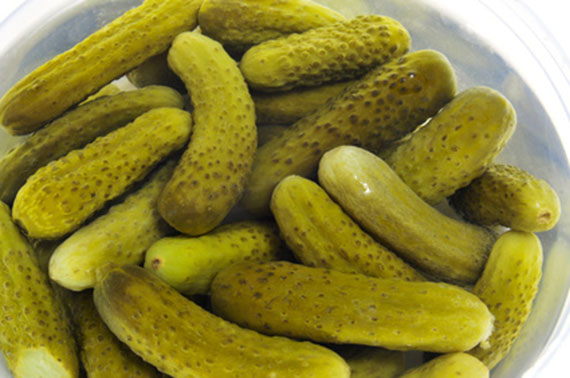
    Different types of pickles include banana pickles, gherkins, candied pickles, dill pickles, or Kool Aid pickles….plus many more! The list of different varieties goes on and on, and some of the types really do seem bizarre. The Kool Aid pickle in particular is one of the recipes most popular in the United States where strong Kool Aid is added to a pickle jar along with some sugar. A coloured sweet pickle is the result of pickles sitting in the mixture for a week, and is a sweet treat popular with many kids.

    OK, so the Kool Aid pickle variety may not be high in nutritional value, however other creations using different pickle styles really can be healthy and have great health benefits. Raw pickles for example have a high vitamin C concentrate and are great for digestive health in the intestines. Not only this, but pickles also help your body absorb iron and their high fiber content helps prevent cancer. A mixture of pickles can even supply your body with loads of antioxidants, magnesium and calcium.

    The great thing about pickles is that they can last for ages as well – the pickling process has been used for thousands of years to preserve foods – even before the refrigerator was invented! If you want to try making things with pickles, try various chutneys to go on sandwiches or eat them whole with a few different dips. For more inspiration, have a look at the variety of pickle recipes on RecipeBridge and see what can be pickled, including other vegetables and fruits as well.

    We hope you celebrate National Pickle Day in style and find some delectable pickles that suit your taste buds – check out Recipe Bridge’s variety of recipes and you’re sure to find something that will tickle your pickle!

  • Nachos – the Mexican Delicacy

    Nachos - the Mexican Delicacy

    When most people think of Nachos, they think of Mexico

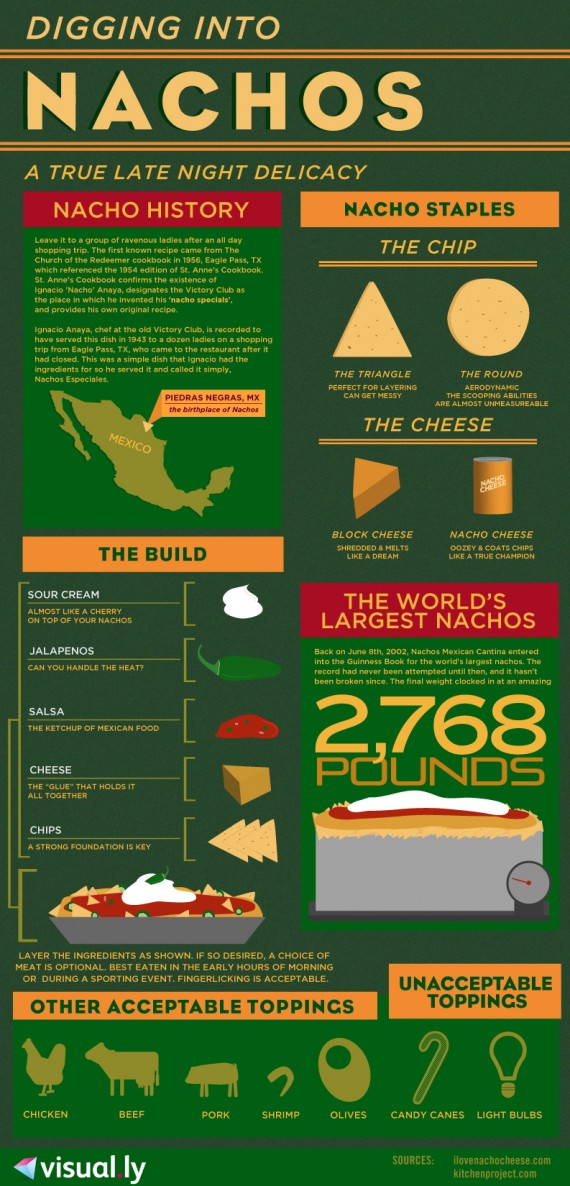
    Here at RecipeBridge, we love infographics about food and especially recipes so here is another one about Nachos from the site, www.visual.ly.

    Nachos are one of the most popular Mexican Recipes and are made with tortilla chips, meat sauce, the covered in melted cheese, sour cream, guacamole and tomato salsa. First created circa 1943 by Ignacio “Nacho” Anaya, the original nachos consisted of fried corn tortillas covered with melted cheddar cheese and pickled jalapeño peppers.

    Different flavored Nachos

    Nachos these days have spread around the world, being cooked with with Chicken, Beef Pork or Shrimp. The ideas for the meat sauce are endless.

    Browse RecipeBridge for Nachos Recipes to cook tonight !

  • The Spicy Sassy Ginger

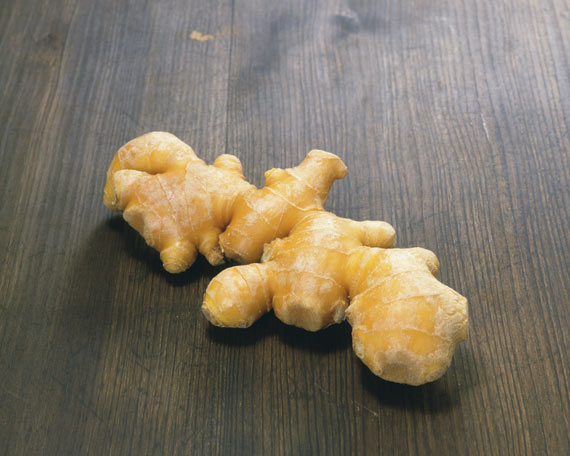
    Ginger

    What is Ginger?

    You may have tried gingerbread men, or you may have added ginger to your curries or sprinkled it over your desserts. You may have tasted it without even realizing it! With the ability to (literally) spice up any dull recipe, there’s no doubt about it; ginger is a great cooking ingredient.

    Ginger is basically a spice that is made from the stem of a plant, also known as a ‘rhizome’. It can come in many different forms and is used as an ingredient in cooking, cosmetics and also medicines.

    What makes Ginger so great?

    The fact that it is so versatile makes ginger a great spice. Not only is it a fantastic ingredient for so many recipes, but it also has many health benefits too. It is widely used for medicinal purposes in many cultures across the world and acts to stimulate the circulation, treat burns, ease spinal and joint pains plus many others. By adding ginger to your meals, you too can reap the benefits of this fantastic sassy spice.

    When it comes to using fresh ginger in recipes, there are many options for those who want to try it. Ginger can be added to lamb tagine, Thai fish cakes, shrimp stir-fry plus many other dishes – just look on Recipe Bridge if you want to give any of these recipes a go or find any other recipe that you might want to try. Of course, ginger isn’t just used for culinary purposes; it is also used in a many beverages too. Ginger ale isn’t called ginger ale for nothing you know!

    There are so many different forms of ginger that it really can be used in any recipe; it can be fresh, dried, pickled, ground, crystallised, preserved or candied. With each form comes a different use. For example, candied ginger can be used in baking recipes. Even for those that don’t like ginger, you will love the taste candied ginger adds to simple dessert recipes.

    Powdered ginger is also a great ingredient when baking decadent sweet treats, and the spice of the ginger really does add to the flavour of the dish too. Cinnamon and ginger can especially complement each other when making gingerbread people – and it’s also a great way to get your kids enthusiastic about cooking with new ingredients and trying something new.

    Find more ginger recipes on Recipebridge.

  • The Almost Ethereal Green Peas

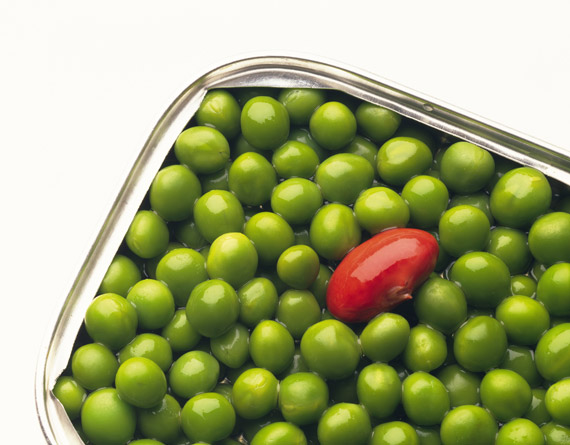
    The Almost Ethereal Green Peas

    Are green peas legumes?

    Green peas can be the oddest of things and have been surrounded in debate by all food lovers who want them placed in specific categories – and so begins the question: Are green peas fruit, vegetables, or legumes?

    Traditionally eaten alongside meat dishes and thrown in with casseroles, pies and stews, it is simple enough to presume that the green pea is a vegetable. If we are getting technical, green peas are in fact legumes. A legume is an edible seed or pod, and seeing as green peas can be eaten either in or out of their pods, it can technically be classed as a legume.

    So now all the technicalities are out of the way, you are probably wondering what is so great about green peas anyway, right? Well, eating green peas can have fantastic health benefits. They are low in calories, high in protein and packed full of nutrients including iron. Not only this, but they are also a great source of vitamin C, and thanks to the fibre that they contain, they can also help reduce cholesterol levels.

    Getting kids to eat green peas can be something of a challenge, especially if your children don’t like the look of anything remotely colourful on their plates. This is where a little creativity comes in – mixing mushy peas into sandwich fillings could be a good way to start. You can find some very creative recipes to combat this on Recipebridge.

    Fresh or frozen green peas?

    Fresh green peas are great additions to many meals, however we realise that buying frozen vegetables can be a lot more convenient. In fact, frozen green peas retain their taste, colour and texture even after being frozen. Freezing your green peas can not only be a fantastic way of locking in flavour, it is also a great way for saving money too. By using the peas that you want and replacing the bag back in freezer holding the remaining peas, you can save yourself throwing away fresh peas that you may not end up using.

    So what is there not to like about green peas? They are great for your health, and frozen peas can also benefit your pocket as well and can stop you spending ridiculous amounts on fresh produce. Green peas are for everyone, and are also great when included in gourmet recipes. Find some of your favorite green peas recipes on Recipebridge.

  • The Globetrotting Sandwich

    The Globetrotting Sandwich

    Unusual Sandwiches for The National Sandwich Day

    The sandwich is one of the most versatile foods known to mankind. So we celebrate this ethereal food on this National Sandwich Day. Sandwiches have been around for years, and can be traced back to well before the middle ages. In fact, it has been around for so long that sandwiches have adapted greatly over the centuries, and each country has developed their own style of sandwich, making it a delectable global success.

    There are many components that can make a sandwich either a delicious treat or a dismal snack, but the right combination of bread, fillings and additional ingredients really can make or break a sandwich. Different varieties of bread can totally change the taste and presentations of sandwiches. Varieties may include white, wholemeal, rye, ciabatta, and pita.

    A sandwich sometimes doesn’t even have to be a filling between two slices of bread – take a look at the open-face sandwich recipes on Recipe Bridge. There are some great recipes for any vegetarians or for anyone who likes a lovely fresh tasting snack with an abundance of flavours (the black pepper and the Tabasco also give it that extra ‘zing’ factor!).

    The sandwich varieties around the world

    From a hot veggie treat to a French delight, the pan bagnat is a specialty dish made famous in the south of France. Usually sold in quaint little cafes in Nice and other southern French towns, this sandwich is a light and yet filling snack which is usually placed on a plain bread roll and can come with many different fillings, however tuna, tomato and olive are almost always in there somewhere! Find a pan bagnat recipe on Recipebridge.

    Over 6000 miles from France, we come to Vietnam where the banh mi is one of their favoured varieties of sandwiches. Normally made on a sub roll and with different meat fillings such as chicken, oyster, and meatball, the banh mi is one of the most tantalising sandwiches out there – admittedly, they do contain a lot of additional ingredients, but if you are willing to take the time to prepare it, every single ingredient will totally enhance your tasting experience. You can find some easy banh mi recipes on Recipebridge.

    If we now hop over to Louisiana, North America, we can get an idea of the types of sandwiches made famous by the southern states of the USA – poboys and muffalettas. The New Orleans Muffaletta is a hearty meal, normally served on Italian (mainly Sicilian) bread and stuffed with many fillings and ingredients. These sandwiches are not for the faint hearted and are constructed on this type of bread mainly due to the fact no other loaf could hold all the ingredients!

    The great thing about sandwiches is that they are portable, and are a great ‘on-the-go’ meal. Street food served in China often includes sandwiches like the rou jia mo which is a meaty sandwich that is rich in flavour. If you’d like to try this unusual sandwich, Recipebridge has just the recipe for you!

    So I hope you are inspired by the variety of sandwiches that you see here; why not seek out the recipes and give them a go yourself. Or perhaps you have a favourite sandwich of yours that you want to share with us? What do you think makes the perfect sandwich?

  • The Bacon Mania

     bacon-bits-infographic

    Need I say more about Bacon?

    Bacon is possibly is the most loved cured meat, often called the candy apple of charcuterie. A processed meat taken from a pig, bacon is usually treated by adding a lot of salt for preservation and tasting purposes. The bacon can then be cooked, smoked or boiled – whichever suits your taste buds.

    Bacon has always been seen as a breakfast food, and although you are of course free to eat it at other times of the day as well, it really does make a great accompaniment to your breakfast. Find more bacon breakfast recipes on Recipebridge.

    Bacon in desserts!

    Be adventurous, and you’ll love bacon in amazing hors d’oeuvres, and even delectable desserts. Find your favorite bacon recipes on RecipeBridge.

  • British Sausage Week

    sausages

    Black Pudding to mark the start of British Sausage Week

    You heard right – British Sausage Week is back to celebrate its 14th anniversary. Whether you love a nice and tasty chipolata, a hearty Cumberland, or a homely pork and apple, sausage lovers from all over the world are invited to unite in their love for ‘bangers’.

    We can’t celebrate British Sausage Week without mentioning one of the ultimate sausages – the black pudding. The black pudding is iconic in Britain in particular due to the fact that it usually accompanies a Full English Breakfast – bacon, sausage, egg, hash brown, tomato, mushrooms, baked beans, and…black pudding!

    The black pudding is a rich tasting sausage that has been around for centuries, dating back even further than Tudor times. The way it has been cooked has obviously been adapted over the years, and different European nations have altered certain recipes of the black pudding to make it a more unique dish for their country. Now with British Sausage Week approaching, it really is time to celebrate each type of sausage, no matter what their origin.

    A black pudding (also known as blood sausage) can contain a variety of ingredients and usually depends on the type of recipe as to which fillings are used. Black puddings are mainly famous for being cooked in blood, and this can put a lot of people off. However, the beautifully strong flavours that come out of just a single bite of black pudding can leave you wanting more. As with other sausages, they are made up of meat and fat, then other herbs, spices and vegetables are often used as well, such as onion, potato or bread.

    Recipes to celebrate British Sausage Week

    British Sausage Week is about honouring (and above all, enjoying) the variety of sausage recipes that are available today. Black puddings are no exception, and you can find a wide range of recipes that people use to produce the tastiest black pudding.

    There are also many different recipes that contain black pudding. It doesn’t need to be the stodgy sausage that it is made out to be when placed with a greasy fry up breakfast – it can also be used as a delicacy in a variety of recipes such as the Sautéed Black Pudding with Sage and Onion Rosti Rocket, Mustard Dressing and Pan Fried Eggs. Find this and more on Recipebridge.

    So if you too want to acknowledge British Sausage Week and celebrate all things meaty, why not tell us about your favourite type of sausage? Or perhaps you have a beautiful black pudding recipe that you want to share? Feel free to Tweet us or post a recipe (or three!) on our Facebook page in celebration of the British Sausage Week.

  • Stacks of Liquorice to Entice you this Halloween

    Stacks of Liquorice to Entice you this Halloween

    Liquorice candies for Halloween!

    Although April 12th is National Liquorice Day, the time of year when liquorice is at its most popular is of course Halloween. There are many liquorice candies, and at Halloween, candy is of course one of the most popular things on the menu. Liquorice is made from the extracts of the root from the liquorice plant and has a sweet yet spicy flavour to it, making it a either a lovable or hateable dish to many people.

    Not only made of liquorice extract, it also contains a lot of sugar which is why it is considered a candy and not a vegetable! Different flavors and colors of liquorice have dominated many holidays, but Halloween is when liquorice candies really come into their own.

    There are many different varieties of liquorice so it is totally down to personal preference as to which type of liquorice you find the best – if you have a sweet tooth there are many extremely sweet liquorice candies that mainly younger people like, however if you prefer a more sharp taste, there are ones that can cater to your needs too! Sticks of liquorice such as the black and red varieties are among the most popular. Sugar free versions have even come onto the market in recent years to satisfy the cravings of diabetics.

    Liquorice as a garnish…

    Liquorice straws have also gained popularity in recent years with the fact that they make a great accompaniment to various drinks. By placing liquorice straws in your drink you are not only adding to the flavour of the exotic cocktails that you might be sipping but you are also improving the taste and complimenting it with the sweetness of the straws. They’re also great for sucking up sorbets and are a great addition to ice cream dishes.

    Liquorice is one of the most popular candy garnishes for Halloween and it makes a fantastic cupcake topping. Despite its medicinal purposes and supposed healing abilities, liquorice isn’t amazingly healthy and some varieties of liquorice are known to be about 50 times sweeter than sugar – and the thought of that kind of makes my eyes water a little!

    Use small portions as garnishes for desserts or seasonal cocktails and you will definitely have your guests coming back for more. You can find liquorice recipes to enjoy all year through on RecipeBridge.

  • The Colourful Candy Corn Day

    The Colourful Candy Corn Day

    The National Candy Corn Day

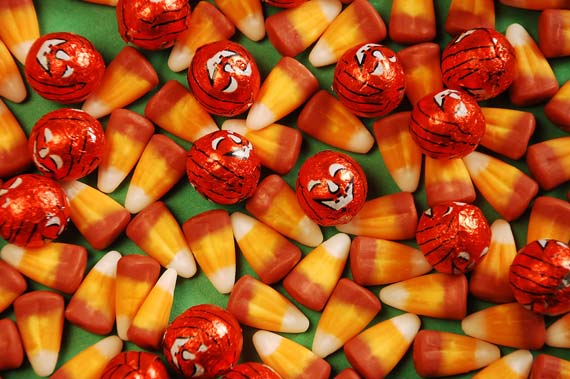
    Candy corn – a famous American treat especially popular around Halloween and is fantastically fat free – a feature that probably wouldn’t really impress many children but definitely makes a lot of adults out there feel a lot less guilty about eating it!

    National Candy Corn Day is on the 30th October in the US and has been celebrated for over a century. Just like every other event on the calendar, National Candy Corn Day has become a very big deal amongst many Americans and is a great way of extending the Halloween celebrations over two days as well.

    Candy Corn was invented all the way back in 1880 and was created by George Renninger of the Wunderlee Candy Company. Due to its massive popularity, candy corn began to get mass produced by other companies too and today is one of the most popular candies for Halloween.

    The Halloween themed colours of the candy corn are quintessentially autumnal, have yellow, orange and white colours included and are golden to look at. Candy Corn is not only produced at this time of year though, it is so popular that it can be bought for all kinds of occasions throughout the year, and at Christmas, the colours used in the candy corn are usually green, red, and white – very festive colours, and a great treat to have in a small bowl on a coffee table for guests to nibble on! Find some recipes for candy corn nibbles on Recipebridge.

    The mellow yet sweet flavours of the candy corn are what make this confectionary an American favourite. Seeing as National Candy Corn Day is the day before Halloween, it is no wonder that it is the official candy for Halloween.

    Fun Facts about Candy Corn:

    • 35 million pounds of candy corn are produced in one year
    • A cup of candy corn has fewer calories than a cup of raisins
    • Halloween accounts for 75% of all annual candy corn production
    • One piece of candy corn contains 3.57 calories

    The creativity of the uses of candy corn means that Americans can enjoy the sweet treat all year round, and Halloween is a great time to celebrate its usage. Making candy corn yourself can be extremely intricate so it is best left to the experts – let them make it and then you can concentrate on enjoying it’s lovely sweet flavours. Find some out the box candy corn recipes on Recipebridge.