Executive Chef Karl Lenz from Maggiano’s shares an easy pasta recipe. Pasta is so versatile, and cooking pasta dishes can range from being complicated flavored recipes to simple daily dishes.
Find more pasta recipes on Recipebridge.
Executive Chef Karl Lenz from Maggiano’s shares an easy pasta recipe. Pasta is so versatile, and cooking pasta dishes can range from being complicated flavored recipes to simple daily dishes.
Find more pasta recipes on Recipebridge.
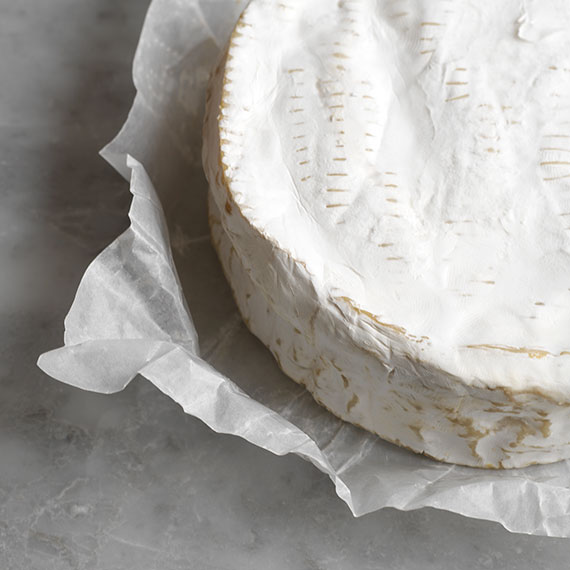
Made with a delicate flavor and a creamy texture, camembert is a French cheese originating from Normandy since 1680 although it has been in official production since the 1800s. The more mature the camembert, the creamier it is, and this is what makes it so popular as an addition to cheese platters as well as its uses in recipes.
Often confused with brie, both camembert and brie are two cheeses that have very similar properties and are created using a very similar recipe, so unless you are a cheese connoisseur, you may not know the difference!
There are 4 main stages to making camembert which are curdling, moulding, salting and coating.
Curdling –Whole milk and rennet are mixed together to make a curd for the cheese and placed into circular moulds. Small scoops of the curd are used to make the cheese as creamy as possible.
Moulding – The curds sit in the mould to level out and are drained of excess moisture for about 5 hours, they are turned and then drained further.
Salting – A dry salt is added to the cheese to give it more of a distinctive flavour.
Coating – The cheeses are covered in Penicillium candidumbacteria and left to mature for several days.
Great for hot or cold recipes, camembert is a beautifully creamy cheese that can be complicated to make, but is simple to cook with so if you love your cheeses and want to get creative with this versatile ingredient, here are a few recipes you could try:
Camembert and Cherry Pastry Puffs
There are many savoury recipes using the delicious creamy camembert cheese, but these camembert and cherry pastry puffs are a lovely light yet rich sweet treat for your taste buds too!
You will need:
1. Heat oven to 400°F. Spray 36 mini muffin cups with cooking spray. On lightly floured surface, unfold pastry sheet. Cut sheet into 6 rows by 6 rows to get 36 (1 1/2-inch) squares. Lightly press 1 square into middle of each muffin cup, pressing middle to bottom of cup with finger. Bake for 10 minutes.
2. In a small bowl, mix cherries and cherry preserves until well blended; set aside.
3. Press middles of pastry cups with handle of wooden spoon. Bake for 6 to 8 minutes longer or until golden brown.
4. Immediately press pastry cups in the middle again. Fill each cup with about 1 heaped teaspoon of cheese; top with ¼ teaspoon cherry mixture. Sprinkle with pecans.
5. Bake 2 to 4 minutes or just until cheese is melted. Carefully remove from muffin cups; place on serving platter. Serve warm.
Find more recipes using camembert on Recipebridge.
Freestore Food bank partners with TGI Friday to create a lasagna recipe with mostly canned foods. This could also be a quick weeknight meal to layer canned foods into a lasagna.
Find more recipes with canned foods on Recipebridge.
Layer your leftovers for an easy dinner. Thanksgiving isn’t the only occasion you’re going to be too full to finish the leftovers. Amy Ott with Klosterman Bread talks about how you can repurpose some of leftover dishes. She shares the recipe for layering your leftovers into a lasagna style dish.
Find more recipes for leftovers lasagna on Recipebridge.

We all make cooking mistakes – it’s part of the learning process! However, there are a few cooking errors you can avoid form the beginning to ensure better success in every recipe adventure you do embark upon. Stay away from some of these big mistakes and have a guaranteed cooking success every time!
Mistake #1: Not Reading the Entire Recipe Before Beginning
By not reading the recipe before you start cooking, you are increasing the risk of leaving out vital steps or ingredients. Always have your ingredients prepared before you begin so that you have everything to hand during the cooking process and use the right technique for a successful creation.
Mistake #2: Bad Ingredient Substitutions
Tweaking the recipe yourself is how many recipes end up failing. The recipe is written in that way because it will produce the best results. Stick to the instructions and get a great result every time.
Mistake #3: Boiling When the Recipe says “Simmering”
You want to avoid lots of bubbling. An occasional bubble is the result of simmering – and this is used in recipes to ensure the food needs to soften or develop into a better texture. Boiling can impair taste and texture so be careful!
Mistake #4: Mishandling Egg Whites
Allow the white to drip through your fingers and hold the yolk in your hand. Good egg whites will keep your recipe light and fluffy, especially if beaten well too. Allowing the whites to stand after they ahve been separated also allow them to fluff more easily when whisked for a lighter end result.
Mistake #5: Not Resting the Meat After Cooking
Allowing meats such as lovely cuts of steak to rest after they have been cooked is vital in ensuring maximum flavour. It gives the juices to relax and distribute throughout the meat for a more juicy texture. Without the juices, you may end up with a dry meat – a big cut of meat such as a whole turkey may need around 20 minutes to rest.
Mistake #6: Burning Nuts
Toasted nuts are a great addition to a recipe and add beautiful smoky flavors, however if you burn them you can destroy the subtle taste and add an unwanted bitterness to your recipe. Only a few minutes are needed to properly toast the nuts, so arrange them in one layer on the baking tray and monitor them until golden brown.
Mistake #7: Overcrowding the Pan
When it comes to overloading your pan with meat for example, a lot of moisture is released and if the pan is overcrowded, the moisture can’t evaporate. For this reason, you need to leave a little room in the pan – if you are making a large batch, then use 2 pans instead.
Follow these rules in order to keep your recipes full of flavor and the optimum texture, and you will be much more likely to avoid these cooking mistakes and make your recipe creations a success!
Mary Martini shares a perfect special occasion recipe: mini beef wellingtons. This rather sassy dish is so moist and rich, perfect for a holiday or any special occasion.
Find more recipes for beef wellingtons on Recipebridge.
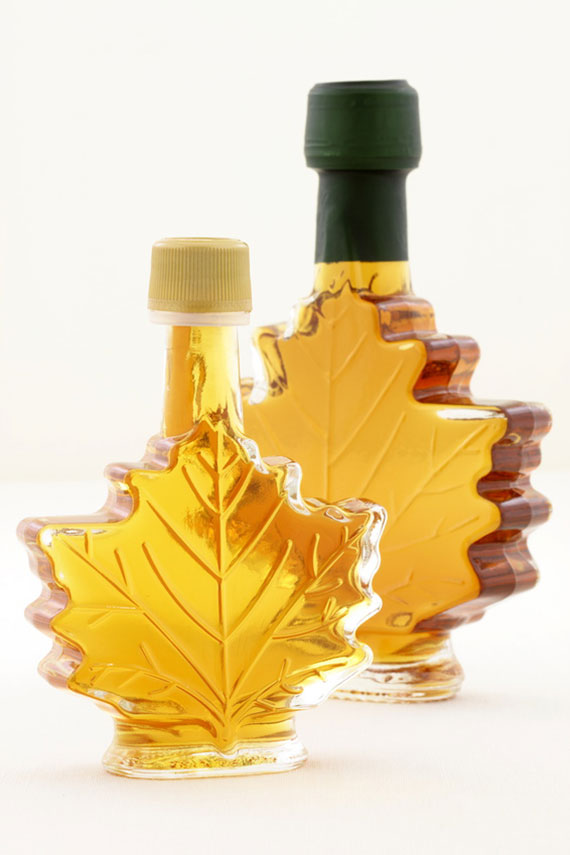
Maple syrup is a type of lovely sticky syrup made from the sap of the maple tree. Best known for its lavish drizzling over pancakes, maple syrup is often overlooked as a creative cooking ingredient too. Not just a sweetener for plain dishes, this type of syrup is great in many dishes.
Maple syrup has such a distinctive flavor that it is really popular all over the world, however maple syrup made of genuine maple sap is quite hard to come by, and can be quite expensive to produce and buy. Fortunately, there are a lot of alternatives readily available in supermarkets that are imitation syrups but taste just as good!
What Can We Do with Maple Syrup?
Maple syrup goes well in a variety of recipes, especially deserts or sweet snacks as it has such a sweet flavour. With maple syrup you can make:
If you have never baked or cooked with maple syrup before then now is the perfect time to try out new recipes and ingredients.
Maple Syrup Spice Cake
You will need:
Maple Balsamic Vinaigrette Recipe
You will need:
½ cup maple syrup
½ cup balsamic vinegar
1¼ cups canola oil
1 garlic clove
Salt and pepper
Crush the garlic clove and then thoroughly mix all the ingredients. Good additions to the basic recipe are: 1 to 2 teaspoons Dijon mustard or ½ teaspoon toasted sesame oil and about a tablespoon of soy sauce.
Be creative with your recipes and try cooking with maple syrup this new year!
The video features an easy to assemble Asian tuna wrap roll. Share this recipe with your guests, or make a weeknight meal out of these refreshing ingredients.
Find more tuna recipes on Recipebridge.

Whether you are new to the art of cooking, or an experienced cook, a kitchen cheat sheet is often handy for most recipes. When cooking with recipes we can often get stumped on metric conversions, or cup to spoon conversions and so on. This cheat sheet from coolinfographics.com covers all aspects of daily kitchen requirements. A good suggestion will be to keep it handy in the kitchen, stick it to the refrigerator so you can refer to it as and when required. Not only it cover conversions, it covers the general cooking times and even meat cuts etc.
How do you keep track of handy notes in the kitchen? Do you use a kitchen cheat sheet?
Chris Koetke, host of the Live Well Network show, Let’s Dish, shows us that you can have a restaurant quality appetizer, right in your home, with his recipe for beer-steamed mussels.
Find more mussels recipes on Recipebridge.